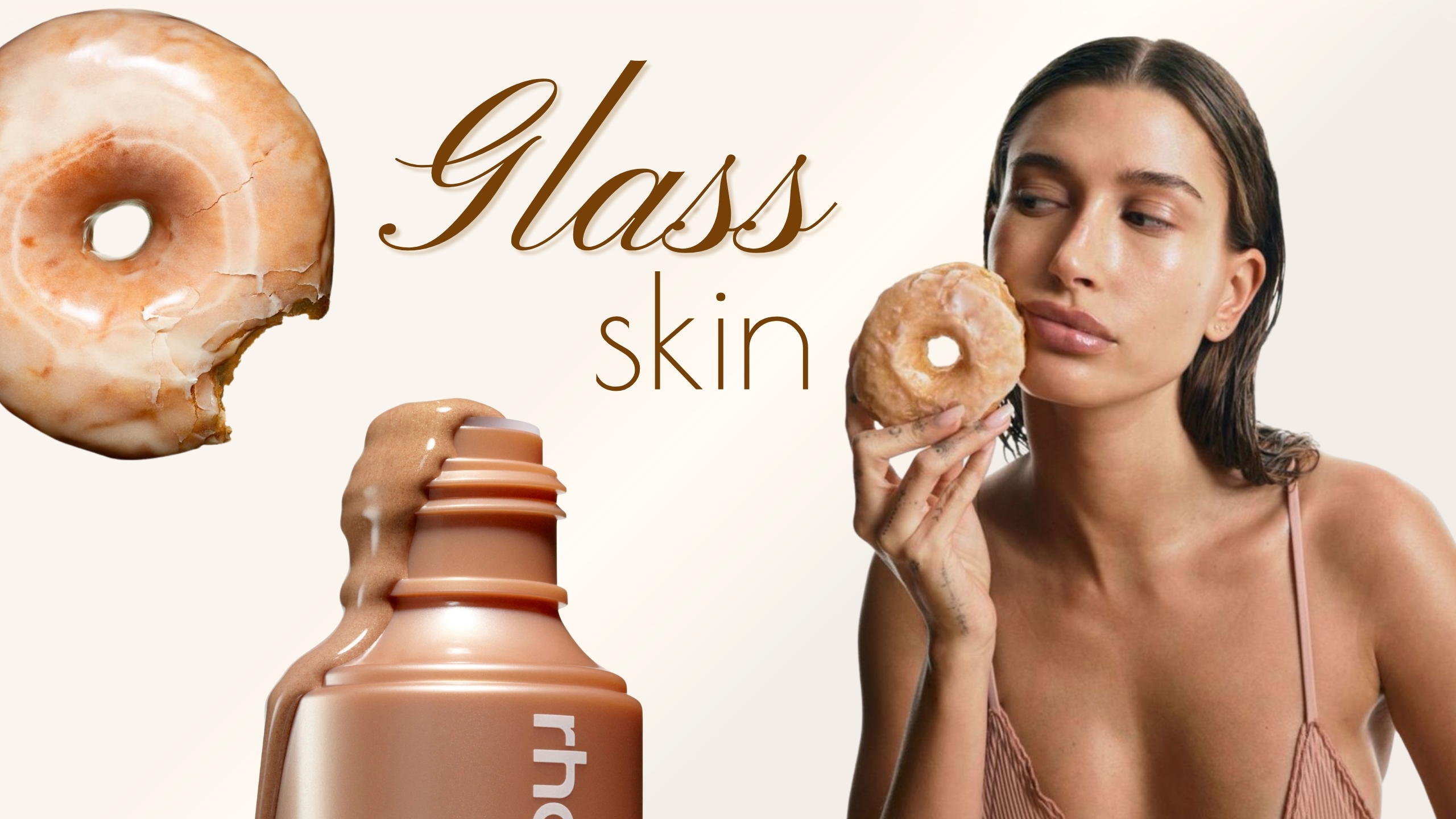
Glass skin, that impossibly smooth, luminous, almost translucent-looking complexion, has been a beauty obsession for years, and it shows no sign of fading. What started as a Korean beauty trend is now one of the most searched looks in makeup, and the question I hear most is simple: how do you actually get glass skin without ending up shiny, sticky, or cakey?
The good news is that it is genuinely achievable on real skin. The catch is that it starts long before you pick up a brush. Glass skin is roughly 80 percent skincare and 20 percent makeup, so this guide walks you through both halves: the hydration routine that builds the base, the dewy makeup that enhances it, the fixes for oily skin, and the exact products and tutorials that get you there.
What Glass Skin Actually Is
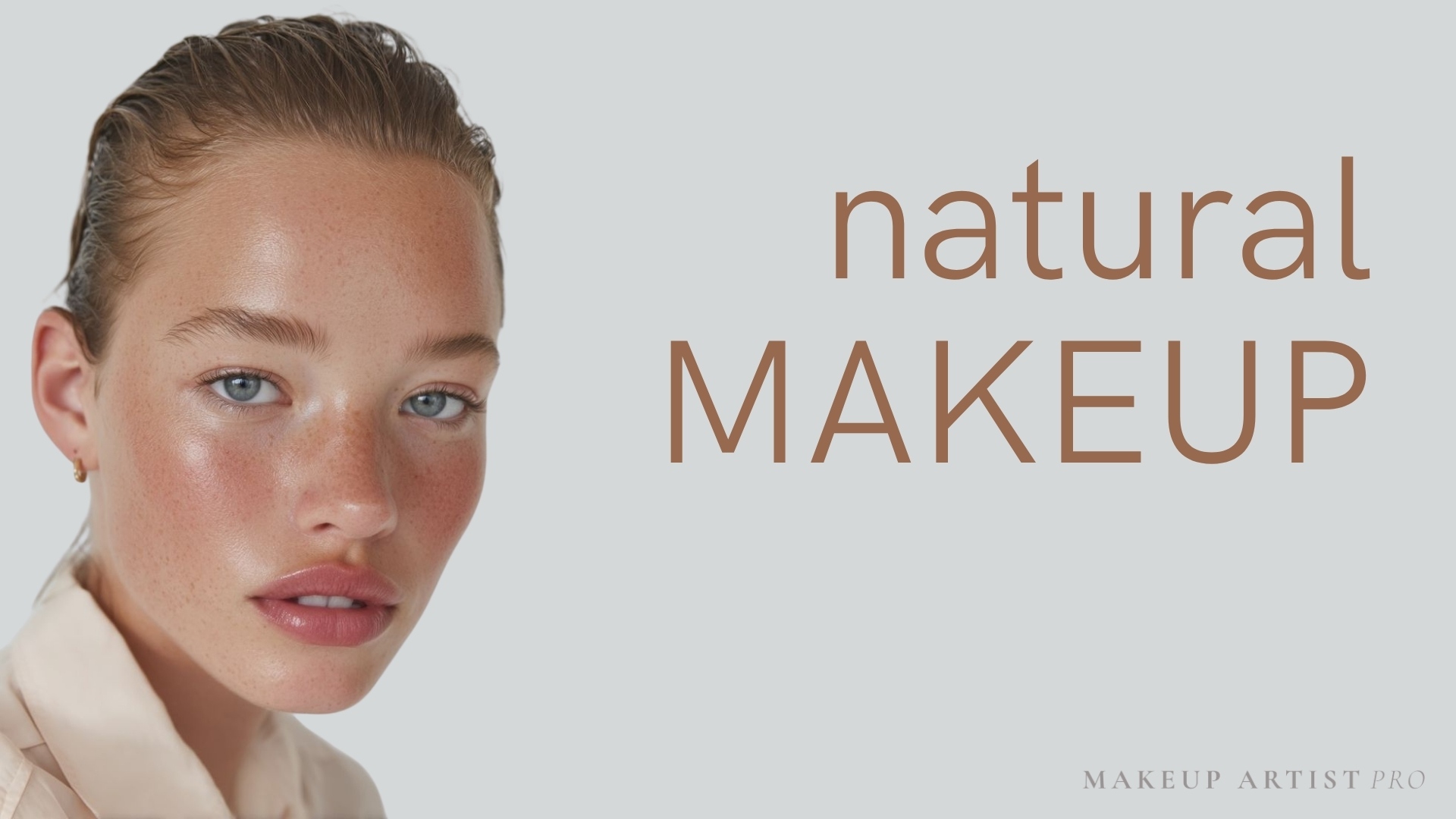
Glass skin is not about piling on highlighter until your face is a mirror, and it is not the same thing as looking greasy. The goal is skin so hydrated and smooth that it appears lit from within, the way light seems to pass through a clean pane of glass. That means the foundation of the look is genuinely plump, well-hydrated skin. You can enhance it with makeup, but the base has to be real, which is why a filter and an actual glass-skin routine are two very different things.
It also helps to know what glass skin is not, because the trend gets confused with two of its cousins. Dewy skin is a finish you can fake with the right products in five minutes. Glazed skin leans into a high-shine, almost wet sheen. Glass skin sits in between: smooth, even, and luminous rather than slick.
Lit From Within
Smooth, poreless-looking, and luminous without obvious shine. Built on deep hydration first, sheer makeup second. The most natural of the three.
Fresh and Moist
A radiant, slightly damp-looking finish you can create with a dewy foundation and setting spray. Easier and faster, but more surface-level.
High Shine
The wettest, glossiest version, often with facial oil or balm on top. Striking in photos, but it can read as oily in person if overdone.
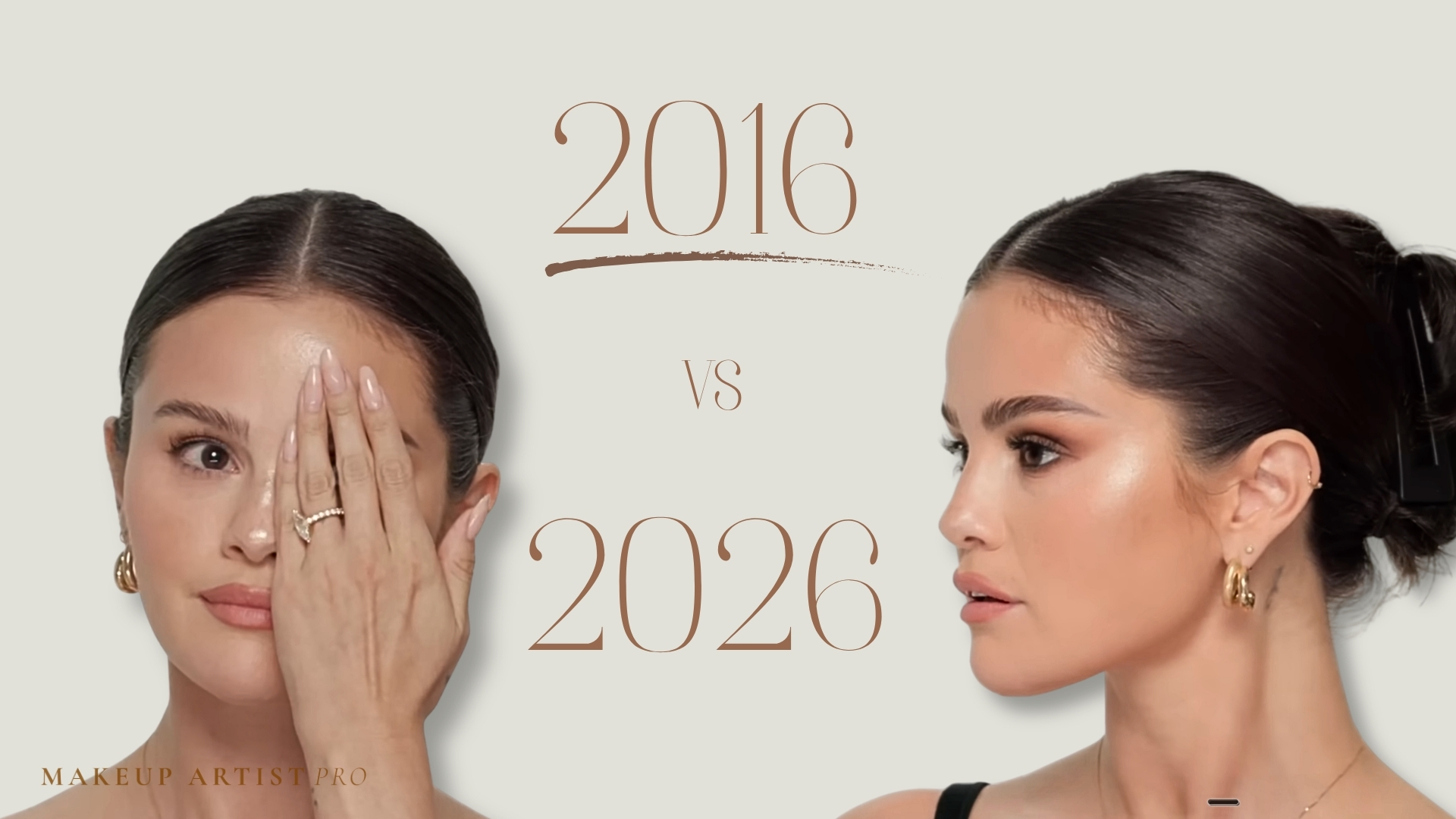
See the glazed-donut glow in action: this is the Hailey Bieber routine that turned glass skin into a mainstream obsession, plus an MUA recreation.
Glass Skin vs Oily Skin: Can You Tell the Difference?
This is the question I get more than almost any other: is glass skin just oily skin with good lighting? It is not, and the difference is real both in person and on camera. The short version is that glass skin is an even glow coming from hydration held inside smooth skin, while oily skin is excess sebum sitting on top in concentrated patches. One looks lit from within. The other looks wet on the surface.
The giveaway is where the light sits and how the skin behaves. Glass skin reflects a soft, uniform glow across the whole face. Oily skin throws harsh, shiny hot spots in the T-zone, the forehead, nose, and chin, while the pores and texture underneath stay visible. Here is how to tell them apart in the three situations where people get them confused.
If the shine lifts off onto a tissue, that is oil. If the skin still looks luminous after blotting, that is the glass-skin glow doing its job.
If your skin runs oily, the good news is you can absolutely get the glass look without the grease. The dedicated oily-skin set further down shows exactly how.
The Skincare Foundation: Hydration in Layers
Korean beauty has always prioritized skincare over makeup, and glass skin is the purest expression of that philosophy. The core principle is layering lightweight hydrating products to plump the skin from within, rather than relying on one heavy cream. Each thin veil of hydration adds up, and the cumulative effect is skin that looks bouncy, plump, and luminous.
Double cleanse
Oil cleanser first to dissolve sunscreen and makeup, water-based cleanser second to clear everything else. Clean skin absorbs hydration far better.
Hydrating toner or essence
Skip stripping, astringent toners. Choose a milky, hydrating one and pat it in with your palms. This is where the optional 7-skin method lives: layer the toner two to seven times for deeper plumping.
Hyaluronic acid serum
The single most impactful product for glass skin. Apply it to damp skin so it pulls moisture in rather than out, and press it gently into the face.
Moisturizer to seal
Lock everything in. Even oily skin needs this step. A lightweight gel formula seals the hydration without sitting heavy or greasy on the surface.
Sunscreen, every single morning
Sun damage is what destroys smooth, even tone over time. Korean and Japanese sunscreens have elegant, dewy textures that double as a glowy base under makeup.
The biggest beginner mistake is letting each layer fully dry before the next. Work onto slightly damp skin so the products melt together instead of pilling.
Watch the glow get built into the skin: Hailey's "glazing" skincare routine is the prep that makes the makeup look lit from within.
The Glazing Routine That Named the Trend
You cannot talk about glazed, glassy skin without talking about Rhode. Hailey Bieber's brand is where the word "glazing" entered the skincare vocabulary, and the products in her routine above are built to layer into one seamless, dewy finish. This is the most direct shortcut to the look if you want to buy the glow off the shelf, starting with the mist and ending with whichever seal suits your skin.
The Rhode Glazing Routine
Prep, glaze, and seal. The Peptide Glazing Fluid is the hero; pick the cream or the richer butter depending on how dry your skin runs.
A hydrating face spray to wake skin up before product and reset the glow during the day. The dewy first layer of the glaze.
The dewy gel serum that started it all. It gives skin that wet, lit-from-within glaze and layers beautifully under or mixed into makeup.
A comforting, lightweight daily moisturizer that locks the glaze in and keeps the barrier happy, so the glow lasts instead of drying down.
A richer, balm-textured moisturizer for thirstier skin. Use it as the final occlusive layer or as an overnight glaze when your skin needs more than the cream.
Press the Peptide Glazing Fluid onto damp skin in a thin layer rather than rubbing it in, and let it sit a minute before makeup. Going too thick or rushing the next step is what makes glazing products pill instead of glow.
Not all milky toners are made the same. Rice and ceramide formulas (like a classic rice milk toner) are usually well tolerated, but some popular options, including the Rhode Glazing Milk, contain coconut-derived emollients that can clog congestion-prone skin. Our milky toner guide breaks down which ones are safe for acne-prone skin, and you can run any product through our ingredient decoder to check comedogenicity before you buy.
The Skincare That Builds the Base
These are the hydration heroes I reach for first. Every pick is a long-standing favorite with strong ratings and a track record for plumping skin rather than irritating it. Start with the toner and the hyaluronic serum if you only want two.
The Hydration Layers
Toner, serum, moisturizer, and sunscreen: the four steps that do the heavy lifting before any makeup goes on.
A milky, rice-extract toner that is made for layering. The classic first-hydration step, gentle enough for the 7-skin method.
Multi-weight hyaluronic acid that floods skin with moisture for that bouncy, plumped finish. The single highest-impact step for glass skin.
An oil-free water gel that seals in hydration and leaves skin soft, never heavy. Ideal for combination and oily skin chasing the look.
A dewy, no-white-cast SPF 50 with niacinamide and panthenol. It protects and doubles as a luminous base layer under makeup.
Glass Skin Myths, Settled
Before we get to makeup, let me clear up the misconceptions that keep people from ever achieving the look. Tap each card to flip it.
"Glass skin is just a lot of highlighter."
Tap to revealHighlighter sits on top and catches light in spots. Glass skin is an all-over glow that comes from hydrated skin underneath. Skipping the skincare and loading on shimmer just looks patchy.
"You cannot get glass skin if you have oily skin."
Tap to revealOily skin can absolutely do glass skin. The trick is water-based, oil-free hydration and lightweight formulas, plus a tiny touch of powder only where you get shiniest.
"Hyaluronic acid should go on dry skin."
Tap to revealIt works best on damp skin, then sealed with moisturizer. On bone-dry skin in dry air, it can pull moisture from deeper layers and leave skin tighter, the opposite of what you want.
"Glass skin is mostly about makeup."
Tap to revealIt is mostly skincare. Makeup enhances a glassy base but cannot fake genuinely plumped, smooth skin. Consistent hydration over weeks does more than any single product on the day.
Building the Glass Skin Makeup Look
Once the skin is prepped, the makeup is minimal. You are enhancing what is already there, not covering it. The order matters more than the amount.
Luminous primer
Choose one with a radiant finish, a subtle sheen rather than visible glitter. Press it into the skin instead of rubbing so it grips and glows.
Sheer, dewy base
Skip full-coverage foundation. Use a skin tint, a dewy cushion, or a light foundation mixed with a drop of glow primer. For more ways to sheer out a base, including the milky-toner mixing trick, see our guide to a dewy versus matte finish. Apply with a damp sponge, bouncing product in for a second-skin finish, and build coverage only where you need it.
Cream, not powder, for color
Use cream blush and liquid highlighter. Powder disrupts the dewy finish. Dab highlighter on cheekbones, the bridge of the nose, the cupid's bow, and the center of the chin, then blend with fingertips so it melts in.
Set without mattifying
This is where people accidentally erase all their work. Skip matte powder. Mist with a dewy setting spray and let it dry naturally. If an oily area genuinely needs powder, use the smallest amount only in that spot.
Mix a single drop of liquid highlighter into your foundation or skin tint before applying. It builds the glow into the base so it looks like it is coming from your skin, not sitting on top of it.
Watch a glowy base come together: these GRWMs show the bounce-and-press technique that keeps the finish glassy, not cakey.
The Makeup That Makes It Glassy
Three bases I trust for a sheer, lit-from-within finish. Tap a side product to bring it forward. The center pick is the easiest place to start if you are new to the look.
Wear it under foundation, mixed in, or alone for a soft-focus glow. The benchmark luminous primer, no glitter, just lit-from-within sheen.
A skincare-makeup hybrid with niacinamide, squalane, and SPF 40. Sheer, dewy, and second-skin: the quintessential glass-skin base.
A water-gel glow you can mix into base, press on top of cheekbones, or layer over moisturizer. Gives the glass effect without a speck of glitter.
To finish, I press a little Rhode Highlight Milk onto the high points for that glazed, lit-from-within sheen. It is Rhode's newest and highest-rated launch, and being a fluid luminizer it melts into dewy skin instead of sitting on top the way a powder highlighter would. The Rare Beauty Positive Light Liquid Luminizer is another liquid-glow favorite if you want a second option. Then lock everything with a dewy mist of Milk Makeup Hydro Grip Dewy Setting Spray (mini available) rather than powder. That last mist is what fuses the layers into one glassy finish.
Making It Work for Oily Skin
The most common worry is that glass skin will turn into an oil slick on oily complexions. It will not, but you do need to adjust your choices. The fixes below solve the problems oily skin actually runs into.
My face looks greasy, not glassy, by midday
Swap heavy dewy creams for water-based, oil-free layers and a gel moisturizer. Hydration plumps; oil sits on top. The two look very different by lunchtime.
My T-zone gets shiny fast
Press the tiniest amount of translucent powder only on the forehead, nose, and chin. Leave the cheeks dewy so the overall look still reads glass, not matte.
Dewy primers feel like too much
Choose a lightweight luminous primer rather than a thick, tacky one, and apply it in a thin layer pressed into the skin instead of slathered on.
My base slides off during the day
A hydrating grip-style setting spray before and after makeup gives oily skin something to hold onto, so the glow stays put without going matte.
Making dry skin glowy is easy. Making oily skin glowy without it tipping into greasy, clogged, or heavy is the real challenge, and it comes down to product choice. Every pick below is oil-free or lightweight, non-comedogenic, and where possible actively oil-regulating, so you get the glass-skin glow without feeding the shine.
The Oily Skin Glass Skin Set
Gently exfoliate, regulate the oil, hydrate weightlessly, then grip the glow. The four products that make oily skin look glassy, not slick.
Pre-soaked glycolic and lactic acid pads that swipe away dead skin and buildup for smoother, brighter skin. Beginner-friendly, far gentler than a strong leave-on acid, and no liquid to layer or tacky film left behind.
Niacinamide and zinc help balance sebum and refine the look of pores while adding a healthy glow. Oil-free and featherlight. Apply a thin layer so it does not pill under makeup.
An oil-free, non-comedogenic hyaluronic water gel that sinks in instantly for bouncy hydration with no weight and no grease. The oily-skin answer to the moisturizer step.
An oil-free, silicone-free gel grip that holds a dewy base on oily skin without going matte or sliding off. Press it on thin, going lighter through the T-zone.
For oily and combination skin specifically: here is how to build a glowy base that lasts without turning slick.
How Long It Actually Takes
Here is the honest part. The makeup half of glass skin is instant: prep, sheer base, glow, set, done in fifteen minutes. The skin half is a project. Genuine improvements in plumpness and smoothness come from consistent hydration and daily sunscreen over several weeks, not from one expensive serum used once. Most people notice their bare skin looking glassier within three to four weeks of a steady routine.
That is also the good news, because it means glass skin is something you build rather than buy. The products help, but the habit is what holds.
The full routine, start to finish: these two walk through everything from prep to the finished glassy result.
Test Your Glass Skin IQ
5 questions. How well do you really know the glow?
Frequently Asked Questions About Glass Skin
Start with skincare: double cleanse, layer a hydrating toner, press in a hyaluronic acid serum on damp skin, seal with a lightweight moisturizer, and wear sunscreen daily. Then add minimal, dewy makeup, a luminous primer, a sheer base, cream products, and a dewy setting spray instead of powder.
Glass skin is an even, all-over glow that comes from hydration held inside smooth skin. Oily skin is excess sebum sitting on the surface, usually concentrated in shiny patches on the T-zone with visible pores underneath. In person and especially on camera, glass skin reads as one soft, uniform luminosity, while oil shows up as harsh hot spots and makeup that slides. The quickest test: blot with a tissue. Oil lifts off; the glass-skin glow stays.
Yes. Use water-based, oil-free hydrating layers and a gel moisturizer, choose a lightweight luminous primer, and set only your T-zone with a whisper of powder. Hydration creates glow; excess oil creates grease, and they look completely different.
The makeup look takes about fifteen minutes. Genuinely smoother, plumper bare skin usually takes three to four weeks of consistent hydration and daily sunscreen. It is built over time, not bought in a day.
Mostly skincare. Roughly 80 percent of the look comes from hydrated, healthy skin, and about 20 percent from sheer, dewy makeup that enhances it. Makeup cannot fake a genuinely plump, smooth base.
It is a Korean technique of layering a hydrating toner up to seven times in a single routine, pressing each thin layer in before the next. You do not have to do all seven; even two or three layers noticeably plump the skin for a glassier finish.
It can, though deep texture and active breakouts will still show through a sheer base, since glass skin is about luminosity rather than coverage. Focus on hydration and gentle, non-comedogenic formulas, and spot-conceal where needed instead of layering on full coverage.
The Bottom Line: Hydrate First, Glow Second
Glass skin is the result of consistent hydration, thoughtful skincare, and minimal, strategic makeup. Build the base with layered hydration and daily sunscreen, keep your makeup sheer and dewy, reach for cream over powder, and resist the urge to mattify it all away. Do that and the payoff is a complexion that looks genuinely healthy and radiant, with or without makeup on.
Get the skin right first, and the glow takes care of itself.