How do you clean makeup brushes properly? I get asked this constantly, and honestly, the answer is simpler and cheaper than the beauty industry wants you to believe. After years of working on sets and with bridal clients, I have cleaned thousands of brushes — and I can tell you that good brush hygiene does not require a cabinet full of specialty products. It requires the right technique, a little consistency, and one or two products you probably already own.
What Happens When You Skip Cleaning Your Brushes
This is not scare tactics — it is microbiology. And the numbers are worse than you think.
A study from Loyola Marymount University found that after just one month of use without cleaning, makeup brushes harbored more bacteria than researchers could reliably count.
The organisms found included Staphylococcus aureus (the same bacteria behind staph infections), E. coli (yes, that E. coli), and various Candida species (a fungus). These are not harmless — they are pathogens, and you are pressing them into your face every morning.
Every time you use an uncleaned brush, you are transferring a cocktail of old product, dead skin cells, oil, and live bacteria directly onto your skin. Tap each card below to see what that actually does to you:
Bacteria from old product mixes with sebum and sits against your skin for hours. In one survey, nearly 28% of people who rarely cleaned their brushes reported acne, irritation, or bacterial infections they could not explain. The explanation was sitting in their brush holder the whole time.
E. coli and Staphylococci found on used eye brushes can cause conjunctivitis (pink eye) and styes. Your eye area has some of the thinnest, most vulnerable skin on your body. Dragging a bacteria-loaded liner or shadow brush across it daily is a gamble you will eventually lose.
Decomposing product residue is an irritant, period. Those random patches of redness, that persistent sensitivity, the "allergic reaction" you blamed on a new product? It might just be months of accumulated grime on your brushes slowly aggravating your skin barrier.
Buildup fills the gaps between bristles, so your brushes pick up less product, blend poorly, and deposit color unevenly. That streaky foundation? That patchy blush? The eyeshadow that "lost its pigment"? Before you blame the product, clean the brush and try again. You will be shocked at the difference — especially with foundation, where dirty bristles are one of the most common reasons a [matte or dewy finish](/article/matte-vs-dewy-foundation) never looks quite right.
The American Academy of Dermatology recommends cleaning makeup brushes every 7 to 10 days.
That is the baseline. If you use brushes for liquid or cream products — foundation, concealer, cream blush — weekly is non-negotiable. Powder brushes can stretch to every two weeks. If you are reading this and cannot remember the last time you cleaned yours, tonight is the night.
How Often to Clean Makeup Brushes (By Type)
Not every brush needs the same schedule. Here is what works in practice:
Weekly (non-negotiable): - Foundation and concealer brushes - Any brush used with liquid or cream products - Eye brushes used near the waterline - Beauty blenders and sponges (ideally after every use)
Every two weeks: - Powder and blush brushes - Bronzer and highlighter brushes - Contour and sculpting brushes (angled brushes trap product in dense bristles) - Fluffy blending brushes used with dry eyeshadow
Quick-clean after every use (optional but smart): - Spot-clean with a spray cleaner and paper towel - Takes 30 seconds, extends the time between deep washes - Essential for pros working on multiple clients
Think of it this way: if the brush touches wet product, it needs weekly washing. If it only touches dry powder, you have more leeway. But nothing should go longer than two weeks.
You Do Not Need $100 in Products to Clean Your Brushes
Let me say this clearly: the beauty industry profits from overcomplicating brush cleaning. You do not need a brush cleaning machine, a special drying rack, a $40 cleansing balm, AND a daily spray. That is consumerism, not hygiene.
Here is the minimalist reality. To properly clean every brush you own, you need exactly one of the following:
- A gentle soap you already have — Johnson's Head-to-Toe Gentle Baby Wash & Shampoo, a gentle face wash, or even a drop of dish soap with a drop of olive oil
- OR one dedicated brush cleaner — if you want something purpose-built
That is it. One product. Maybe two if you want both a daily quick-clean spray and a weekly deep-clean soap. But you absolutely do not need to invest heavily to maintain clean brushes. The technique matters more than the product.
"You need a special brush cleanser — regular soap will ruin your brushes."
Tap to revealBaby shampoo and gentle dish soap work beautifully. Professional MUAs have used baby shampoo for decades. The key is using lukewarm water and being gentle — not buying expensive specialty soap.
"Dirty brushes can cause staph infections."
Tap to reveal100% of sponges and brushes sampled in one microbiological study were contaminated with Staphylococcus aureus. While severe infections are rare, the risk is real and entirely preventable by cleaning regularly.
"You should soak the entire brush in water for the deepest clean."
Tap to revealSubmerging the entire brush dissolves the glue inside the ferrule (the metal band), causing bristles to shed and the brush to fall apart. Only the bristles should get wet — keep water away from the ferrule and handle.
"Air-drying brushes upright in a cup is fine."
Tap to revealWater trickles down into the ferrule and loosens the adhesive, causing bristle shedding over time. Always dry brushes flat with bristles hanging off a counter edge, or hang them upside down.
How to Deep Clean Makeup Brushes: Step by Step
This is the method I use professionally, and it works for both natural and synthetic bristles. You need: lukewarm water and Johnson's Head-to-Toe Gentle Baby Wash & Shampoo (or any gentle soap). That is the whole supply list.
Step 1: Wet only the bristles. Hold the brush pointing downward under lukewarm running water. Let the water flow through the bristles from ferrule to tip. Never point the brush up — you do not want water running into the handle.
Step 2: Apply a small amount of cleanser. A pea-sized drop of baby shampoo in your palm is plenty. For stubborn product buildup, mix two drops of dish soap with one drop of olive oil — the soap cuts through makeup while the oil loosens pigment and conditions the bristles.
Step 3: Work the bristles gently. Swirl the brush in your palm using gentle circular motions. You will see pigment release almost immediately. For extra cleaning power, swirl on a textured Sigma Spa Express Brush Cleaning Mat or even a clean kitchen sponge. The mat is definitely not the cheapest option, but it is a buy-once tool: rinse it clean and let it dry between uses, and its silicone surface can last for years. Do not press hard — let the soap do the work.
Step 4: Rinse until the water runs clear. Continue holding the brush downward. Squeeze gently from ferrule to tip. Repeat the soap-and-rinse cycle if pigment is still releasing.
Step 5: Squeeze and reshape. Gently squeeze out excess water with a clean towel. Reshape the bristles to their original form with your fingers while they are still damp. This step matters — if you skip it, brushes dry misshapen and will never apply product the same way again.
Step 6: Dry properly. Lay brushes flat on a clean towel with the bristles hanging off the edge of a counter so air circulates underneath. Or hang them upside down (a rubber band looped over a towel bar works perfectly). Allow 6 to 12 hours — I wash mine before bed and they are ready by morning.
Want to see it in action? These creators walk through the full process — great if you are a visual learner:
The Best Makeup Brush Cleaners Worth Knowing About
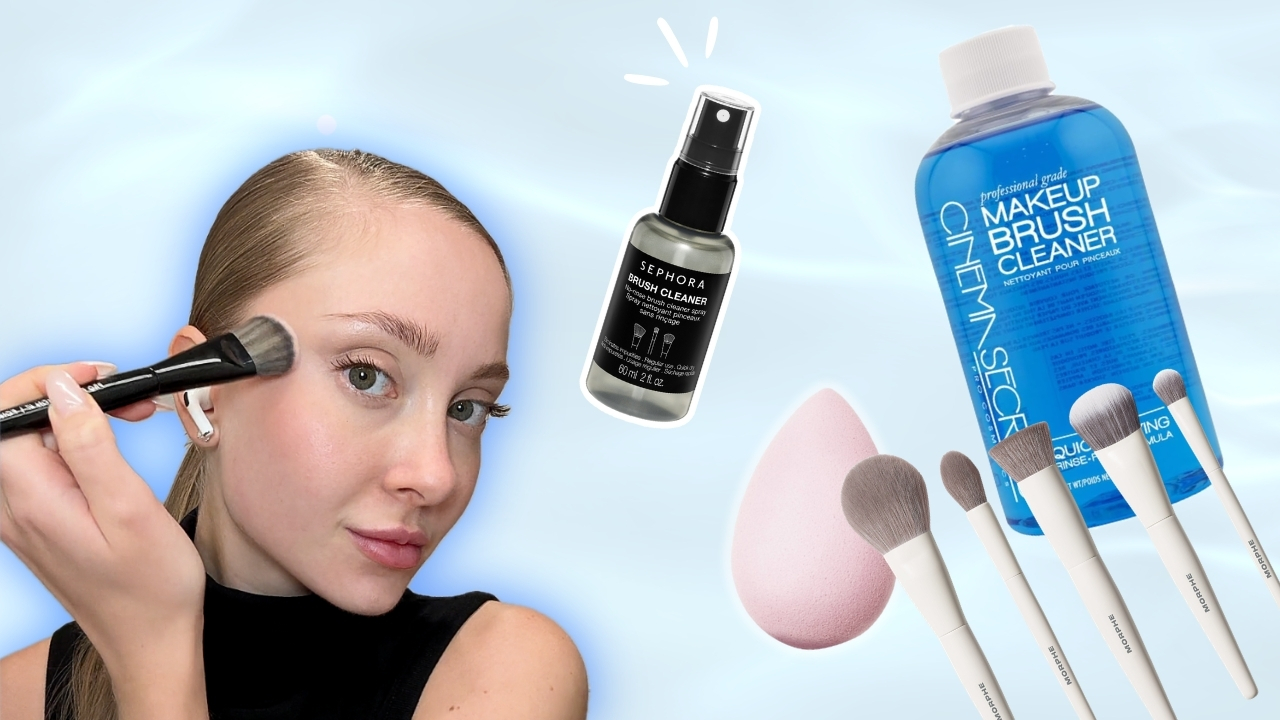
If you want a dedicated product — and there are good reasons to own one — these are the three I trust. Each serves a different purpose, and you only need the one that matches how you use your brushes.
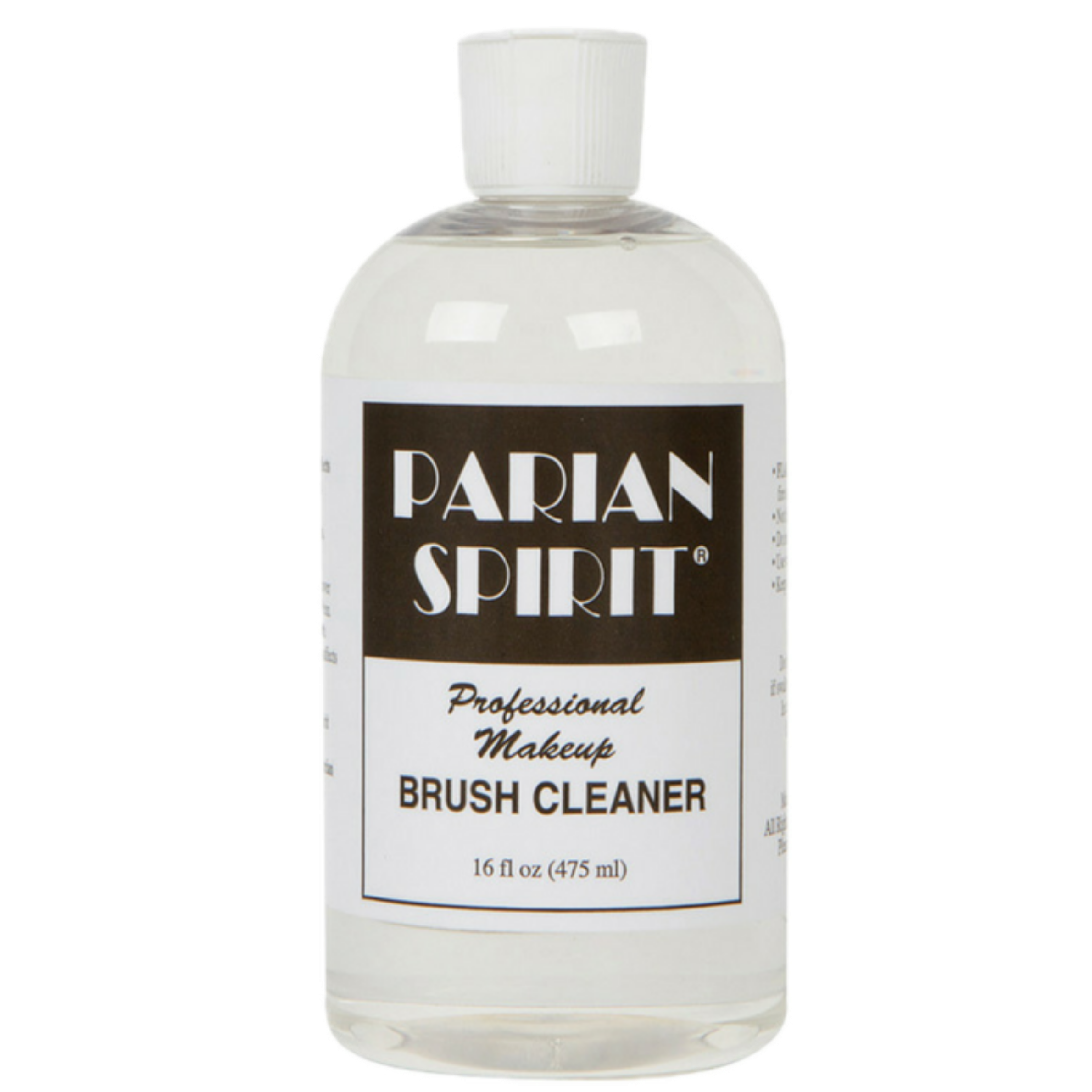
What it is: A citrus-based liquid cleaner made from food-grade solvents. It cleans, disinfects, and conditions brushes in a single step — no water needed. The clear formula will not stain white or light-colored natural hair brushes.
Best for: Anyone who owns natural hair brushes. The citrus oils actually condition bristles as they clean, which is rare. Also excellent for removing stubborn products like eyelash glue and wax-based formulas.
How to use: Dip bristles into the liquid (or spray), then blot on a paper towel until pigment stops transferring. For disinfection, let bristles soak for one minute before wiping.
Bottom line: The professional's choice for natural hair brushes. If you invested in quality brushes and want them to last, Parian Spirit Professional Brush Cleaner pays for itself in brush longevity alone. The 16 oz refill ($30) lasts months.
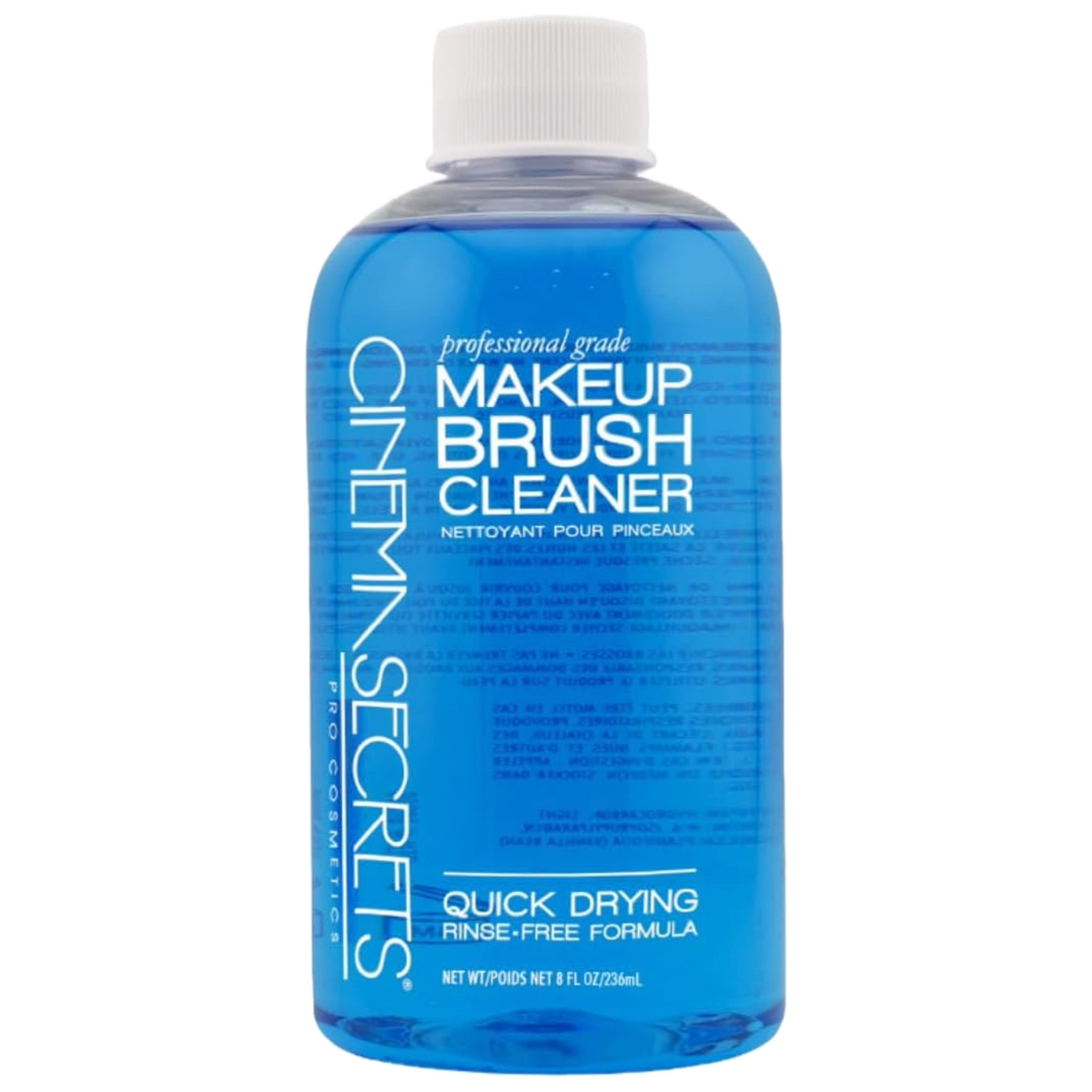
What it is: A professional-grade solvent cleaner originally created in 1985 by Academy Award-winning makeup artist Maurice Stein for the film and television industry. It is 99.99% antimicrobial and dries in under two minutes.
Best for: Working professionals who need brushes clean and dry NOW — between actors on set, between bridal clients, or anytime you cannot wait hours for brushes to air-dry. The speed is genuinely unmatched.
How to use: Pour into a shallow tin. Dip only the bottom quarter of the bristles. Remove immediately and wipe clean on a paper towel. Brushes are dry and usable within two minutes.
The catch: The signature blue-green formula can tint white and light-colored natural hair brushes over time. Use Parian Spirit instead if your brushes are white-haired. Cinema Secrets Brush Cleaner is also not for skin contact — it is a solvent, not a gentle wash.
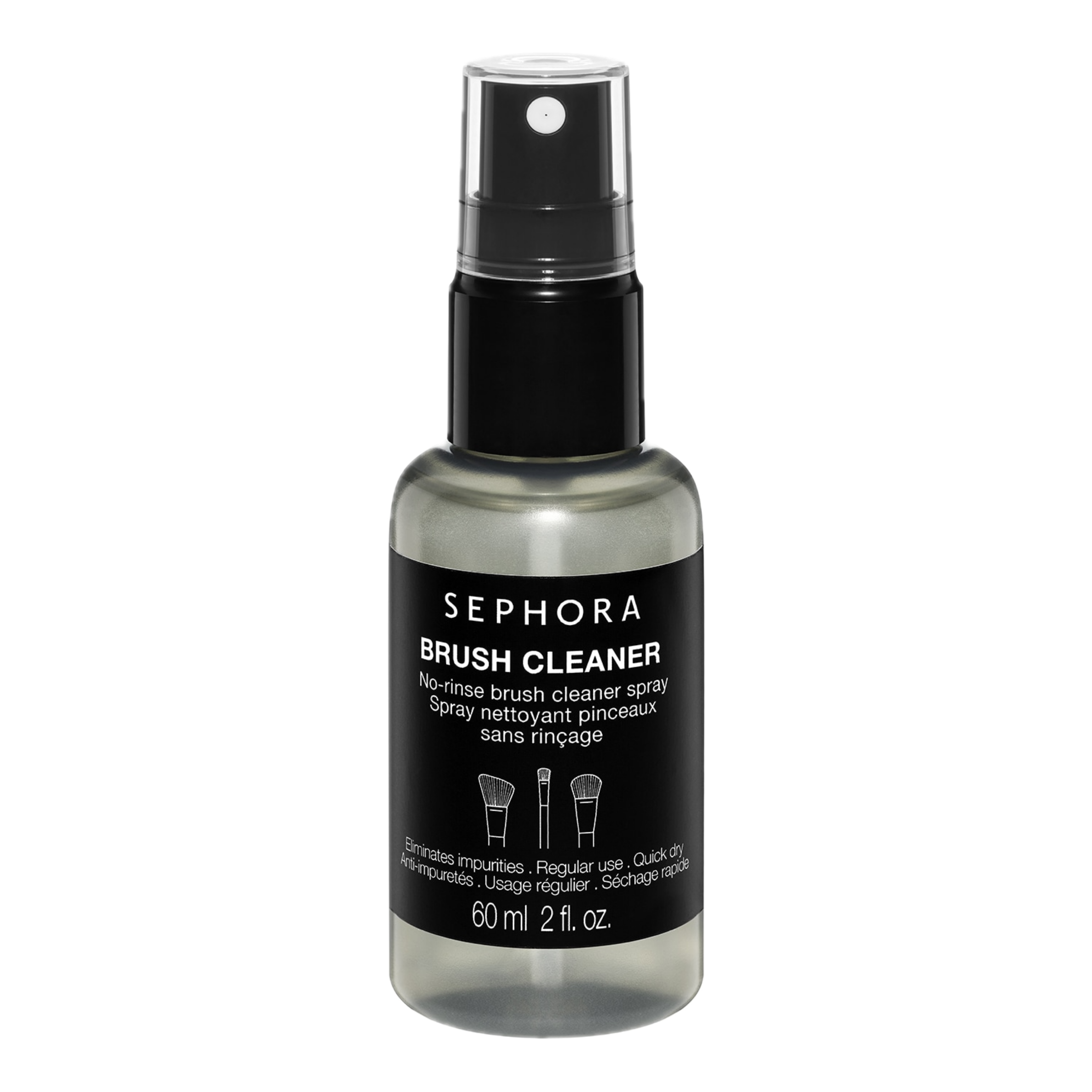
What it is: A no-rinse daily brush cleaning and conditioning spray. It is alcohol-free, quick-drying, and lets you reuse brushes within minutes. Spray it on a cloth or paper towel and swirl your brush until pigment stops transferring — no water required.
Best for: Home users who want a fast, fuss-free way to keep brushes fresh between deep washes. The spray format is perfect for daily spot-cleaning — a few spritzes and you are done. It also conditions bristles while it cleans, keeping them soft over time.
How to use: Spray directly onto a clean paper towel or cloth. Swirl the brush back and forth on the towel until no more pigment transfers. Let air-dry for a minute or two. No rinsing needed.
Bottom line: The best entry point if you have never owned a dedicated brush cleaner. Affordable, effective, easy to find at Sephora, and the no-rinse format makes quick daily spot-cleaning easy. The Sephora Daily Brush Cleaner (Mini available) is available in standard and value sizes.
Which one should you buy? If you are a working MUA, get Cinema Secrets for on-set speed and Parian Spirit for natural hair care. If you are cleaning your personal collection at home, the Sephora Daily Brush Cleaner spray or honestly just baby shampoo will do the job beautifully. Remember: one product is enough. You do not need all three.
How to Clean a Beauty Blender and Makeup Sponges
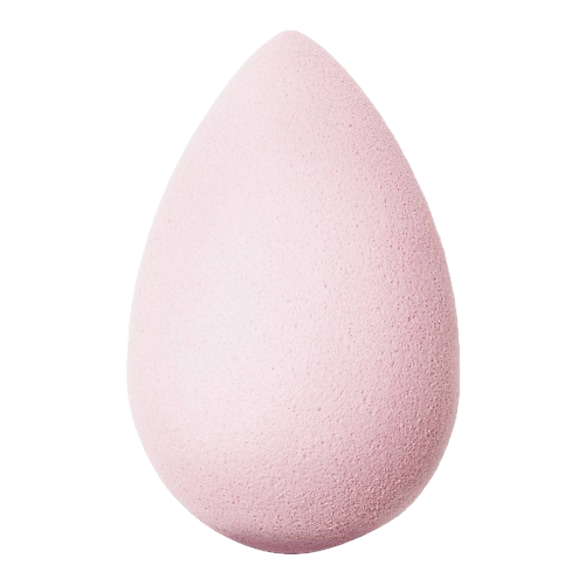
Sponges like the beautyblender Original are bacteria magnets. Their porous structure absorbs product deep inside where surface wiping cannot reach, which is why the AAD recommends cleaning them after every use — or at minimum, weekly.
The best method for sponges:
- Saturate the sponge under warm running water until fully expanded
- Apply baby shampoo, gentle soap, or a dedicated brush cleaner
- Squeeze and release repeatedly — work the lather through the entire sponge, not just the surface
- Rinse and squeeze until the water runs completely clear (this takes longer than you expect)
- Squeeze out excess water in a clean towel
- Air dry in an open, ventilated spot — never in a closed bag or drawer
When to replace a sponge: Every 3 months, or sooner if it develops tears, a persistent smell, or stops returning to its original shape. No amount of cleaning saves a sponge past its lifespan.
For daily maintenance between deep washes, a spray cleaner like the Sephora Daily Brush Cleaner works well for sponge surfaces too — spray, squeeze, and blot until pigment stops transferring.
There are a couple of effective ways to get your sponges clean — from a simple bar of soap to testing multiple methods side by side. Watch these and try whichever approach works best for you:
The Mistakes That Destroy Brushes (and How to Avoid Them)
Most brush damage is not from using them — it is from cleaning them incorrectly. Tap each card to see the mistakes that silently ruin your tools:
Hot water melts the glue inside the ferrule and warps wooden handles. Always use lukewarm — if it is comfortable on your wrist, it is the right temperature for your brushes.
Bristles have muscle memory when wet. If you toss a brush onto a towel without reshaping, it dries splayed and crooked — permanently changing how it applies product. Ten seconds of reshaping saves the brush.
Gravity pulls water down into the ferrule where it dissolves the adhesive. Within months, bristles start shedding. Always dry flat with bristles hanging off an edge, or hang upside down.
Putting damp brushes in a case, roll, or closed drawer creates a warm, moist environment — essentially an incubator for mold and bacteria. Always let brushes dry completely (6-12 hours) before storing.
Test Your Brush Hygiene IQ
5 questions. How well do you really know this stuff?
Frequently Asked Questions About Cleaning Makeup Brushes
The best way to clean makeup brushes at home is with lukewarm water and a gentle soap — baby shampoo works perfectly. Wet only the bristles, swirl in a small amount of cleanser in your palm, rinse until water runs clear, reshape, and lay flat to dry with bristles hanging off the counter edge. This method is effective, gentle, and costs almost nothing.
The American Academy of Dermatology recommends washing makeup brushes every 7 to 10 days. Brushes used with liquid or cream products (foundation, concealer) should be washed weekly without exception. Powder brushes can go every two weeks. Beauty blenders should ideally be cleaned after every use.
Yes. A small drop of gentle dish soap works well, especially for stubborn product buildup. To counteract the drying effect of dish soap on natural bristles, mix two parts dish soap with one part olive oil. The soap dissolves makeup while the oil conditions the bristles and helps loosen pigment.
Saturate the beauty blender under warm water until fully expanded. Apply baby shampoo or a gentle soap. Squeeze and release repeatedly to work cleanser through the entire sponge. Rinse until the water runs completely clear. Squeeze out excess water and air-dry in a ventilated spot. Replace your beauty blender every three months.
Uncleaned brushes accumulate bacteria, fungi, dead skin cells, and old product. Studies have found that 70 to 90 percent of used brushes harbor harmful microorganisms including Staphylococcus aureus and E. coli. This can lead to breakouts, skin irritation, eye infections, and significantly worse makeup application due to product buildup on the bristles.
Rubbing alcohol works as a quick disinfectant spray, but should not be your primary cleaning method. Repeated heavy alcohol use dries out natural bristles, weakens ferrule glue, and shortens brush lifespan. Use it sparingly for spot-cleaning between deep washes, or choose a professional brush cleaner like Parian Spirit or Cinema Secrets that is formulated to be gentler on bristles.
The Bottom Line: Clean Brushes, Clear Skin
Brush cleaning is not glamorous, but it is one of the highest-impact things you can do for your skin and your makeup results. It is also one of the simplest clean beauty practices you can adopt — no trendy ingredients required, just genuinely clean tools. Dirty brushes cause breakouts, ruin application quality, and shorten the life of tools you paid good money for.
The good news? It is simple. Wash your brushes weekly with whatever gentle soap you already own. Dry them properly. Replace sponges every three months. If you want a dedicated cleaner, pick one — Parian Spirit for conditioning, Cinema Secrets for speed, or the Sephora Daily Brush Cleaner for everyday value — and that single product will serve you well.
No complicated routines. No hundred-dollar hauls. Just clean tools, healthy skin, and makeup that actually performs the way it should. Pick up Parian Spirit, Cinema Secrets, or Sephora Daily Brush Cleaner — or just grab a bottle of Johnson's Head-to-Toe Gentle Baby Wash & Shampoo and get started tonight.
Your brushes work hard for you. Return the favor.