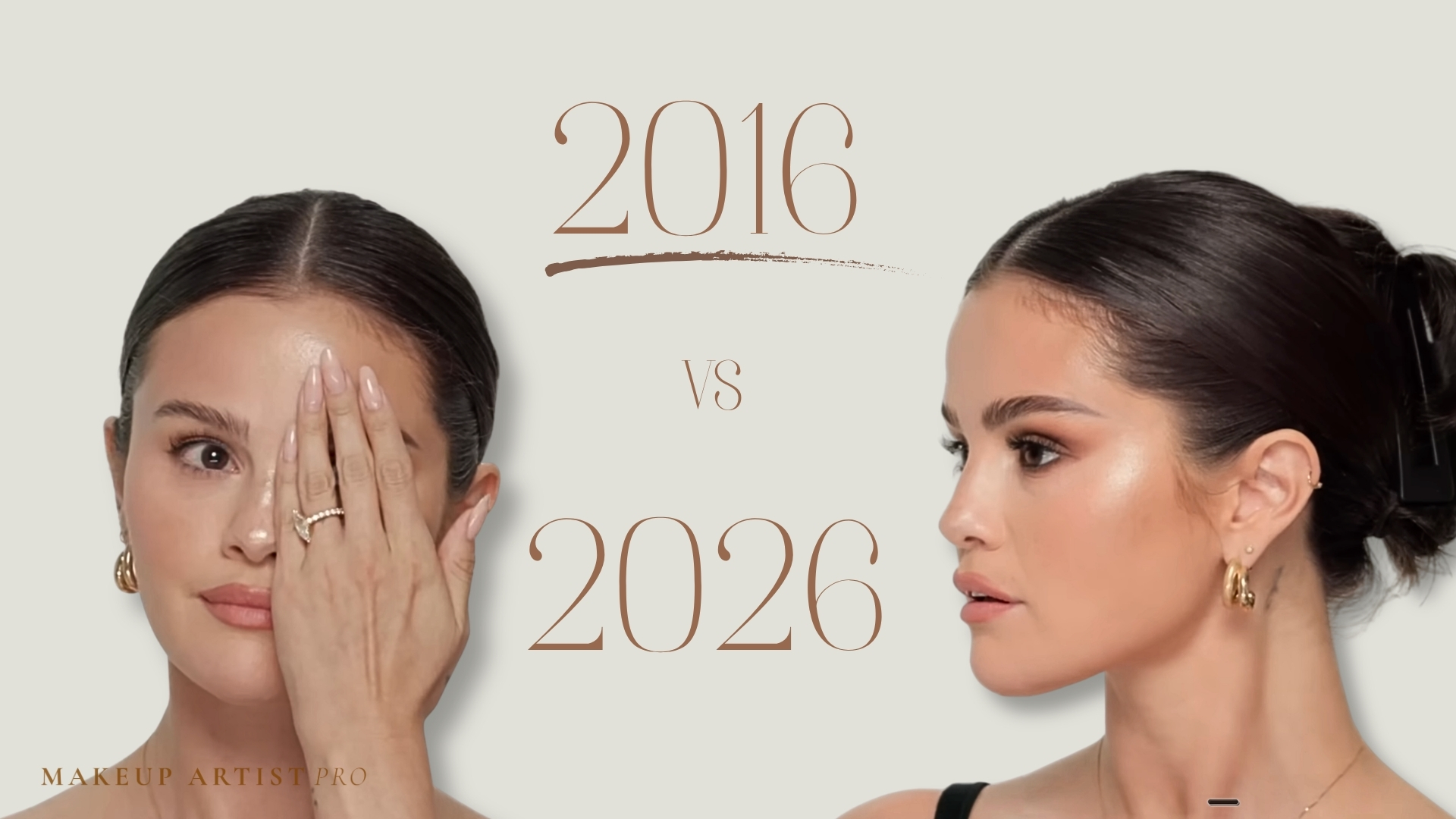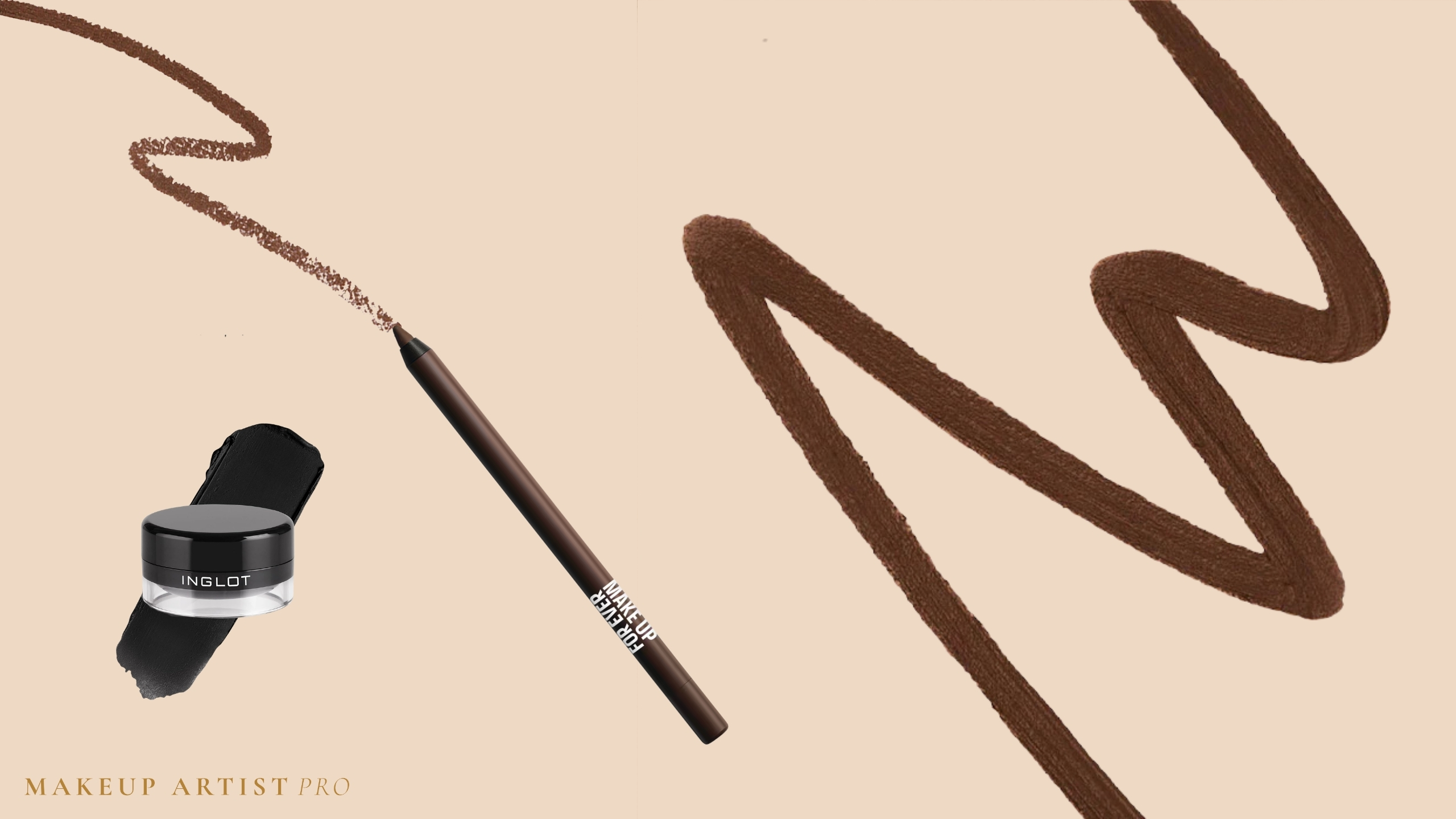
The best type of eyeliner is the one that gives you the finish you want without making your morning harder. Start with pencil for a soft, forgiving line, gel for longer wear and a little smudging time, liquid for a sharp wing, or kohl for proper smoke. You do not need every type in the shop. You need one that suits your hand, your lids and the look you are actually going to wear.
If your liner has ever skipped, transferred, vanished by lunchtime or turned one tiny flick into a whole event, it was probably fighting you. Let’s make it simpler.
Quick Answer: Which Type of Eyeliner Should You Use?
Choose pencil if you are new to liner, want a soft line or need a bit of time to blend. Choose gel pencil or gel pot if your lids get oily, you want more staying power, or you want a line that can be smoked out before it sets. Choose liquid for a clean wing or a sharp, bold detail. Choose kohl or kajal when a deliberately blurred, lived-in line is the whole point.
Not sure which placement will flatter your eyes most? Try the Eye Shape Identifier first. It gives you a useful starting point before you pick your liner and map the shape.
It is the easiest place to learn short strokes, lash-line placement and cleanup without one wobble becoming a crisis.
Gel pencils give you a short blending window, then set down more firmly than a classic pencil.
Use it for the outer flick and sharp lash line. It is brilliant when you want a clean edge and annoying when you want to smudge.
Pencil, Gel, Liquid and Kohl: What Actually Changes?
The labels can get confusing because brands call several things “gel” or “kajal.” Ignore the marketing for a second and think about how each one feels and wears. That is the part that matters.
Here is the practical eyeliner map:
| Eyeliner type | Texture | Best for | Beginner level | Biggest mistake |
|---|---|---|---|---|
| Wooden pencil | Firmer wax pencil | Sketching, lash-line mapping, a subtle line | Easy | Not sharpening enough |
| Retractable pencil | Medium-creamy pencil | Daily upper lash line, quick smudge | Easy | Twisting up too much product |
| Gel pencil | Creamy, sets down | Waterline, tightline, oily lids, long wear | Easy-medium | Waiting too long before blending |
| Kohl pencil | Very soft, smoky | Smudged liner, bedroom eyes, lower lash softness | Easy | Expecting it to stay razor sharp |
| Kajal pencil | Rich, creamy, bold | Smoky rims, reverse liner, expressive color | Easy-medium | Overloading the lower waterline |
| Felt-tip liquid | Marker-like tip | Beginner wings, bold outer flicks | Medium | Dragging in one long stroke |
| Brush-tip liquid | Flexible brush hairs | Micro wings, inner corners, thin-to-thick control | Medium-hard | Pressing too hard |
| Dip liquid | Brush dipped into inky liner | Bold black lines, statement shapes | Hard | Using too much wet product |
| Gel pot | Cream or gel in a jar | Bridal, stage, pro wings, control over how soft or bold it looks | Medium-hard | Leaving the pot open |
| Cake liner | Dry pan mixed with liquid | Custom color, photos, bold liner | Medium-hard | Assuming water-activated means waterproof |
| Shadow liner | Powder pressed into lash line | Mature lids, soft wings, a natural-looking line | Easy | Using a fluffy brush instead of a tight one |
Pencil
Best for a daily lash line, a soft wing and learning where your lash line actually is. It is the most forgiving option.
Gel
Best when you want a creamier line that sets down. A gel pencil is easier; a gel pot gives you more control if you enjoy using a brush.
Liquid
Best for crisp wings, fine inner corners and bold shapes. A felt tip is steadier; a brush tip gives more thin-to-thick control.
Kohl and kajal belong in the soft-and-smoky camp. They are lovely for an outer lower lash line or a blurred black rim, but they are not here to produce a razor wing. Asking them to do that is like asking a fluffy brush for a cut crease. Wrong tool, unfair expectations.
When you are learning, make the line thinner than you think you need. It is much easier to add a little depth at the outer third than to remove a thick line from the whole lid.
The best eyeliner for beginners is usually pencil.
A brown pencil is the kindest first purchase. It lets you use tiny dashes between the lashes, soften the edge with a small brush and clean up a mistake without taking off half your base makeup. Black pencil works too, but brown makes a wobbly line look less dramatic while you are getting the hang of it.
For your first go, rest your elbow on a table, look slightly down into a mirror and press short dashes into the upper lash roots. Keep the inner third very thin. Add a little more depth only at the outer third if you want lift. Your foundation does not need a full scrub while you are trying to fix liner, so use a pointed cotton bud with a tiny amount of remover instead of rubbing.
If your eyes are round and you want them to look a little longer, keep that extra depth on the outer third rather than taking a thick line all the way around. Our eyeliner guide for round eyes has the placement options that make the difference.
A creamy pencil gives you the most. Gel gives you a short window. Liquid gives you the least, even when the pen itself feels easy to hold.
Gel Eyeliner for Oily Lids and Long Days
Gel pencil is the useful middle ground between a classic pencil and liquid. It glides more smoothly than a firm wooden pencil, gives you a few seconds to smudge, then sets. That makes it a good choice if regular pencil fades or transfers, but liquid feels a bit too final.
Before a waterline pencil, take one clean cotton bud and softly sweep along the inner rim. It picks up the little bit of moisture that makes a pencil skip. If it is your upper lid that is oily, press blotting paper or a clean tissue there before primer instead. Gentle is the whole point—do not scrub either area, and leave the waterline alone if it feels irritated.
Apply one eye at a time. Sketch the upper lash line in short strokes, soften the top edge straight away if you want a smoky finish, then leave it alone. Keep going back over liner after it has started to set and it can go patchy. A little bit annoying, yes. Still much less annoying than redoing the entire eye.
For a stronger wing or very precise lash-line work, a gel pot and a thin angled brush can be lovely. It takes more setup and the pot needs to be closed promptly, so it is best for someone who enjoys the process rather than someone doing makeup in the back of a taxi.
Almond eyes have the most room to play with liner and placement, but a soft pencil or gel line still looks best when it follows the lash line instead of sitting above it. See eyeliner for almond eyes for the variations that keep the shape open.
Liquid Eyeliner for Wings and Fine Detail
Liquid eyeliner is the right choice when the edge itself is the look. Use a felt-tip pen if you want a firmer, marker-like tip and a steadier first wing. Use a brush-tip pen if you want very fine lines and are comfortable controlling pressure. Traditional dip liquid gives you a very bold black line, but it is the least forgiving place to learn.
Map a wing with your eyes open. Put a tiny dot where you want the tip to land, place another at the outer corner, then connect them in short strokes. Do not drag one long line across a folded lid and expect it to behave. It will take that personally.
If your eyes are hooded, deep-set or mature, check the wing while looking straight ahead before filling it in. A thin open-eye flick is often more useful than a thick line that disappears into the fold. Use the Eye Shape Identifier if you need help finding your starting point, then see our eyeliner guide for hooded eyes for placement options. If your outer corners slope down, the angle matters just as much, so use the lifted placement in our eyeliner guide for downturned eyes.
Liquid eyeliner is always better for a wing.
Tap to revealLiquid makes the sharpest edge, but a pencil or shadow wing is often easier and softer on textured or hooded lids.
A felt tip is easier than a brush tip for most beginners.
Tap to revealIts firmer tip is easier to stamp in small sections. A brush tip is better once you want more detail and pressure control.
Waterline, Kohl and Kajal: A Quick Safety Note
Keep waterline makeup simple. Use only a product made for eyes, do not share eye pencils and stop using anything that stings, flakes or makes your eyes water more. If you have contacts, dry eyes, or eyes that are already sore or irritated, a bare waterline is often the easier and more comfortable choice.
Kohl and kajal are made for a softer, smokier effect. Apply them to the outer half of the upper or lower lash line, then smudge upward and outward with a small pencil brush. Do not expect a crisp black line to stay crisp after you have chosen liner because it stays soft. We have to let products be themselves sometimes.
Some traditional kohl-style products can contain lead, so it is not worth the gamble. Choose products made for the eye area and skip anything with an unclear label or source.
Ten Eyeliners to Match the Job
These are options, not a shopping list. Choose the one that solves your own problem, whether that is a softer daily line, longer wear, a sharp wing, a gel pot or a smoky brown kajal. The last four are drugstore picks, because a good liner does not need to be the most expensive thing in your makeup bag.
Choose by the finish you want
Ten useful roles, including four drugstore picks. No need to build a small eyeliner museum.
Best for: a softer line and beginner practice. The trade-off is that a creamy pencil needs setting if your lids are very oily.
Best for: a deep brown line with more staying power. Smudge it promptly, because it is designed to set.
Best for: a clean wing and sharp lash line. A felt-tip pen is a steadier place to start than a very flexible brush tip; just note that some recent users report pens arriving dry or becoming patchy sooner than expected.
Best for: custom wings and a brush-led application. It takes longer and the brush needs cleaning, but gives you more control.
Best for: a deep, crisp gel line when you like using a brush. It sets quickly, so work in small sections and close the pot as soon as you are done.
Best for: a rich brown smoky line. Reach for it when you want haze and softness rather than a very sharp edge.
Best for: a long-wearing deep-brown line without the prestige price. It is a sharpenable pencil, so keep a proper sharpener nearby.
Best for: a soft taupe line that lasts without needing a sharpener. It is a mechanical pencil, so twist up only the amount you plan to use.
Best for: an easy, soft brown smoke for very little money. It is made to blend, so use another liner if you want a crisp wing.
Best for: a precise black wing with a flexible brush tip. Use a light hand and build it in short strokes, because pressing hard makes the line thicker very quickly.
Frequently Asked Questions About Types of Eyeliner
Pencil eyeliner is usually best for beginners because it is easy to control, can be blended and gives you time to tidy the line. A felt-tip liquid is a good next step when you want to learn a sharper wing.
Neither is better across the board. Gel is more flexible when you want to smudge or build a line; liquid is better when you want a crisp, sharp edge that dries in place.
Thin pencil, gel pencil, shadow liner and a small open-eye liquid flick all work well on hooded eyes. Keep the line thin where the lid folds and judge the result with your eye open.
In modern beauty shopping, both usually describe soft, rich pencils made for a smoky look. Brands use the words a little differently, so check whether the liner is meant to stay blendable or set down.
Transfer usually comes from creamy liner meeting oily skin or a lid fold. Try primer, a thinner line, gel or liquid liner, and check the finished shape with your eyes open.
The Bottom Line: Choose the Type Before the Colour
Pick pencil when you want forgiveness, gel when you need more wear, liquid when you want a sharp edge and kohl when you want smoke. Then choose the colour and placement that suit your features. It does not need to be harder than that.
If you are still deciding where the line should sit, the Eye Shape Identifier can point you in the right direction.
The right liner should work with you, not be the hardest part of getting ready.