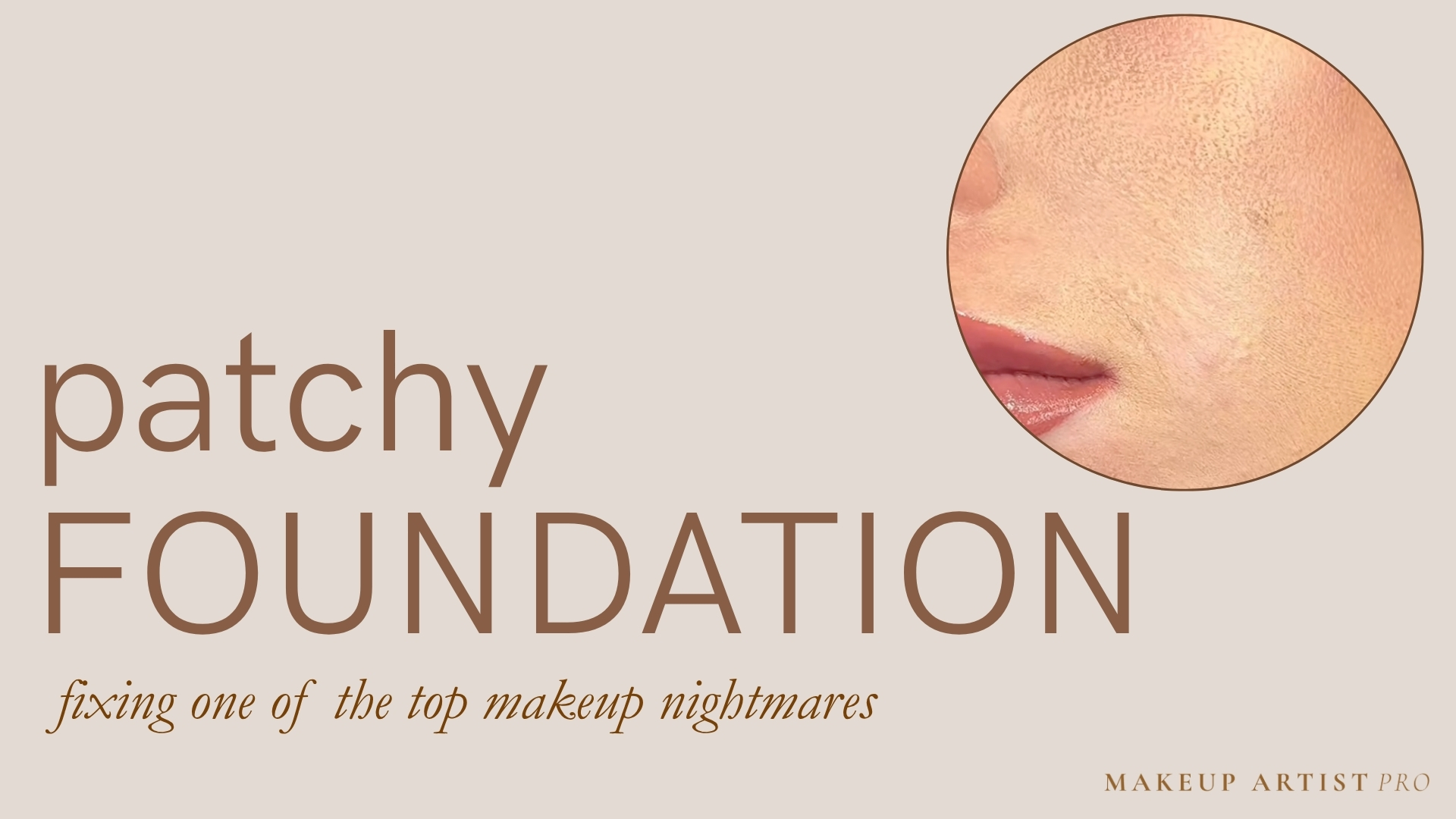
Cakey makeup is usually a signal to take product away, not add a fresh layer over the top. When foundation, concealer, and powder are all still sitting on the skin but the finish looks thick, dusty, or gathered in lines, you can often rescue it in a few calm steps.
The goal is not a poreless face. Natural skin texture is normal. This guide explains how to soften makeup that has become too heavy and prevent it from happening next time.
Is It Cakey Makeup or Foundation Separation?
With cakey makeup, the makeup is still on your skin. It can look opaque, dry, powdery, bumpy, or settled into a crease, but it has not moved or worn away. Foundation separation looks different: coverage slides, pills, goes patchy, or leaves bare gaps. Both problems can show up on the same day.
If your makeup is disappearing from the nose, rolling into little balls, or breaking apart into bare patches, go to foundation separating: identify the cause and fix it. That guide covers grip, oil, friction, pilling, and rebuilding a failed patch. Stay here when the makeup is intact but simply too present.
Start with the result you can see. Tap the card that matches it.
The makeup is still in place, but it looks thick, dusty, creased, or too textured. Stay here: the first move is to lift and soften excess product.
The coverage has moved or worn away. Use our Foundation Separating guide to find the cause and repair it.
The colour has changed, rather than the texture. Use our foundation oxidation guide to troubleshoot it.
Use the Base Makeup Troubleshooter. Answer a few quick questions about what your makeup is doing, then get the first fix to try for cakiness, pilling, sliding coverage, dry patches, or creasing.
How to Fix Cakey Makeup Without Starting Over
Work on one small area first. A heavy-looking nose does not mean the cheeks need an emergency makeover too. Check the makeup in daylight if you can, then use the smallest correction that gives you a better result.
Put the powder down
More powder over a thick base usually creates a drier, more obvious layer. Look for the exact places where the finish has built up.
Lift, do not scrub
Press a clean, barely damp sponge over the heavy area. Use a lifting motion, not circular buffing, so you do not create a new bare patch.
Soften the powdery surface
If the product is still attached but looks dusty, mist the sponge once, tap off the excess, and press again. The sponge should feel barely damp, never wet.
Replace coverage only where it left
If lifting creates a small gap, tap in a pinhead amount of foundation or concealer. If the whole patch has broken down, stop here and use our Foundation Separating guide to diagnose and repair it.
A lighter base from the start
Fix the Heavy Area You Actually See
Choose the area that looks heavy, then open its fix. You do not need to redo the whole face.
01 / Whole baseThe whole base looks too thick
Try this: Start with a dry or barely damp sponge and press over the centre of the face, where foundation usually builds first. Keep the pressure light. Pick up the excess at the surface instead of blending every edge again.
If you still need coverage, correct only the redness or mark that remains. Next time, start with about half the foundation you usually use, working from the centre outward. Use whatever is left on the tool around the hairline, jaw, and temples.
02 / Under-eyesConcealer looks dry or creased
Try this: Look straight ahead, then gently tap the crease with a clean ring finger or small sponge. This lifts product that has collected in the fold. Let it settle after a tiny re-blend before deciding whether it needs powder.
Under-eyes often need far less setting product than the T-zone. If the area is still smooth but too matte, press with a barely damp sponge. If it keeps cracking, stinging, or sitting badly on irritated skin, simplify the routine and let the skin rest. For a lighter placement routine, see our how to apply concealer guide.
03 / Nose, mouth, or chinMakeup has built up in a high-movement area
Try this: Press a dry sponge over the area first, especially where glasses, fingers, or a tissue have touched it. Then smooth any product gathered in the smile lines before you decide whether to set. Powder helps only if the skin is shiny or still tacky.
If the nose has a real bare patch, the coverage has moved rather than built up. Use our Foundation Separating guide before adding more product.
A focused under-eye routine
This demonstration focuses on using less concealer and setting it carefully so the under-eye does not turn into the thickest part of the base.
Make Tomorrow’s Base Less Cakey
To prevent cakey makeup, let your skincare settle, apply a thin base, add concealer only where you still need coverage, then smooth creases before setting only the areas that need powder.
Keep the same routine for a few wears and change one variable at a time. It is the fastest way to see what actually helps, rather than blaming every bottle in the bathroom.
Apply skincare and sunscreen as directed, then wait until skin feels moisturised but not wet, slippery, or sticky. Primer is optional. If it makes the base pill or adds more slip than control, leave it out for a day and compare.
Put a small amount of foundation on the back of your hand and work it into your brush or sponge. Apply through the centre of the face, then use what remains around the hairline, jaw, and temples.
Wait a moment before deciding what still needs coverage. Then add concealer only on the contrast you still want to reduce, instead of layering it across areas the foundation already covered.
Look straight ahead, then gently tap along under-eye creases, smile lines, and the folds around your nose to lift away makeup that has settled there. Powder only where skin still feels tacky, creases, or becomes shiny. For a touch-up, blot oil before adding powder.
A clean brush or sponge makes a better base. Dried foundation can apply unevenly, so use the routine in our makeup brush cleaning guide when your tool is overdue. If you consistently want less coverage from the start, our skin tint vs foundation guide can help you choose a lighter base.
A quick fix for a powdery finish
This short demonstration shows a practical way to reduce a heavy-looking finish without building a second full layer over it.
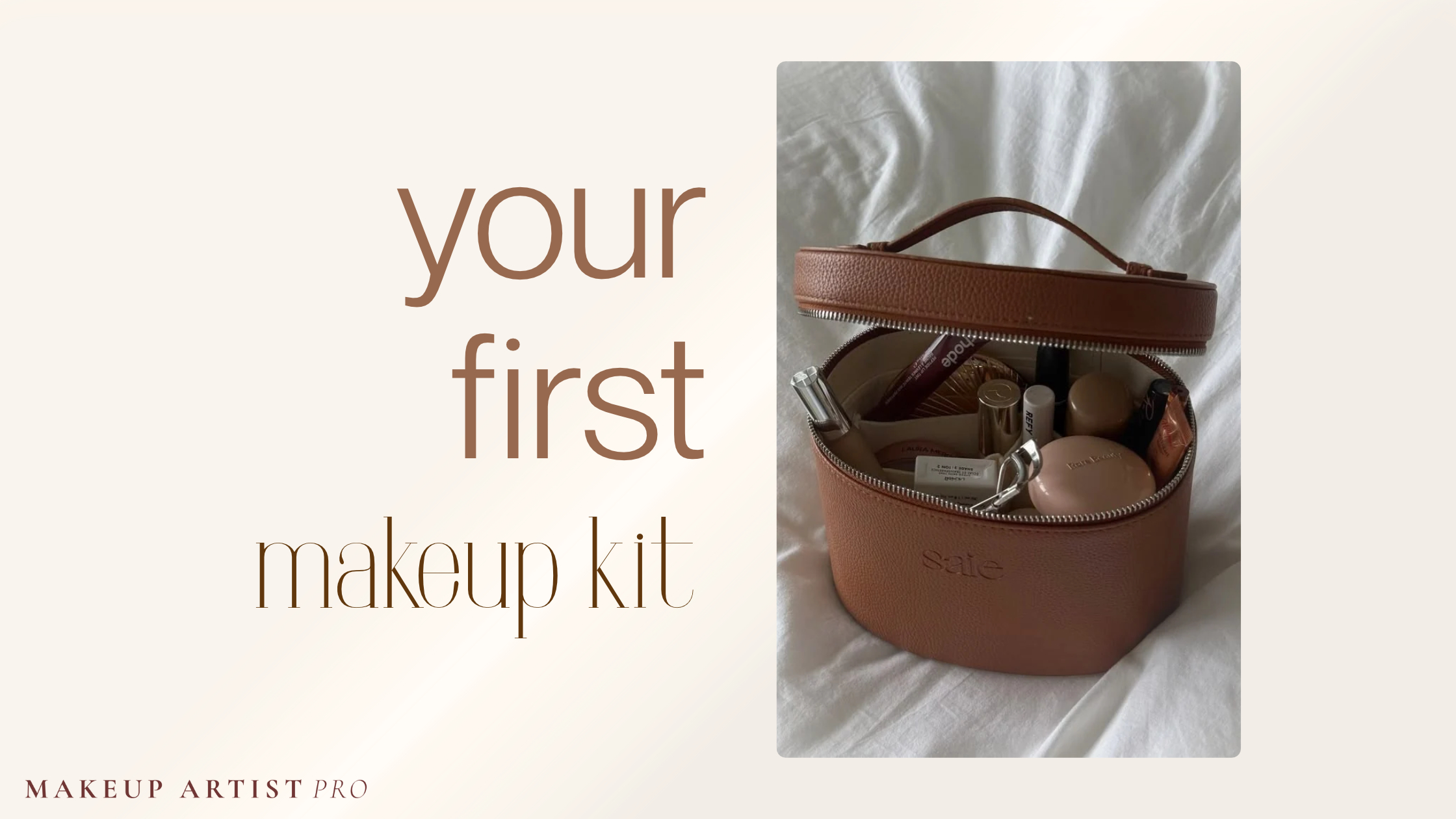
A Small Cakey-Makeup Rescue Kit
These are not magic fixes. They are useful tools when they let you use less product, press it in more gently, or keep touch-ups targeted. The concealer and powders below have strong retailer review histories, but dry or sensitive skin can still react differently, so sample and patch test where appropriate.
Choose tools that reduce the need for another layer
A sponge, a flexible concealer, a fine powder, and a finishing spray cover most small rescue jobs.
Use it barely damp to press excess foundation or powder into the skin. Replace it regularly and clean it between uses with the routine in our makeup brush cleaning guide so old product does not become part of tomorrow’s texture problem.
A medium-buildable concealer for the small gap left after you lift product. Reviewers also report occasional dryness and creasing, so use a tiny amount and do not treat it as an all-over under-eye mask.
A finely milled powder with strong feedback for blurring and a non-cakey finish. Press a small amount only into shine or crease zones, because even a good powder can look dry when it goes everywhere.
A long-wear mist with strong feedback for longevity and a natural finish. It contains alcohol and fragrance, so it is better as a final layer than a rescue for irritated or very dry skin.
Frequently Asked Questions About Cakey Makeup
Often, yes. Press a clean, barely damp sponge over the heavy area to lift and soften excess, then add coverage only where a small gap remains. If the base is actually breaking apart, remove and redo that spot instead of layering over it.
Moisturizer can help comfort, but cakiness also comes from too much foundation, concealer, powder, or repeated touch-ups. It can also happen when a rich layer has not settled before makeup goes on. Change one part of the routine at a time so you can see what helps.
Setting spray can soften the look of a light powder layer, especially when you press it in with a barely damp sponge. It cannot erase a thick base or repair makeup that has already separated. For when to use spray, powder, or both, see our setting spray vs setting powder guide.
Under-eyes are small, flexible areas, so extra concealer and powder gather quickly in the natural folds. Use less product, smooth the crease before setting, and powder only if it improves the finish.
No. Cakey makeup is still attached but looks heavy or powdery. Separation means the coverage is moving, pilling, or leaving gaps. The fixes overlap in one important way: neither problem improves when you pile on another thick layer.
The Bottom Line
The quickest cakey-makeup fix is usually less makeup in a more deliberate place. Lift the excess, soften what is still attached, and correct only the small area that truly needs colour again. Your base does not need another coat. It needs a little editing.
A lighter hand gives your makeup room to look like skin.