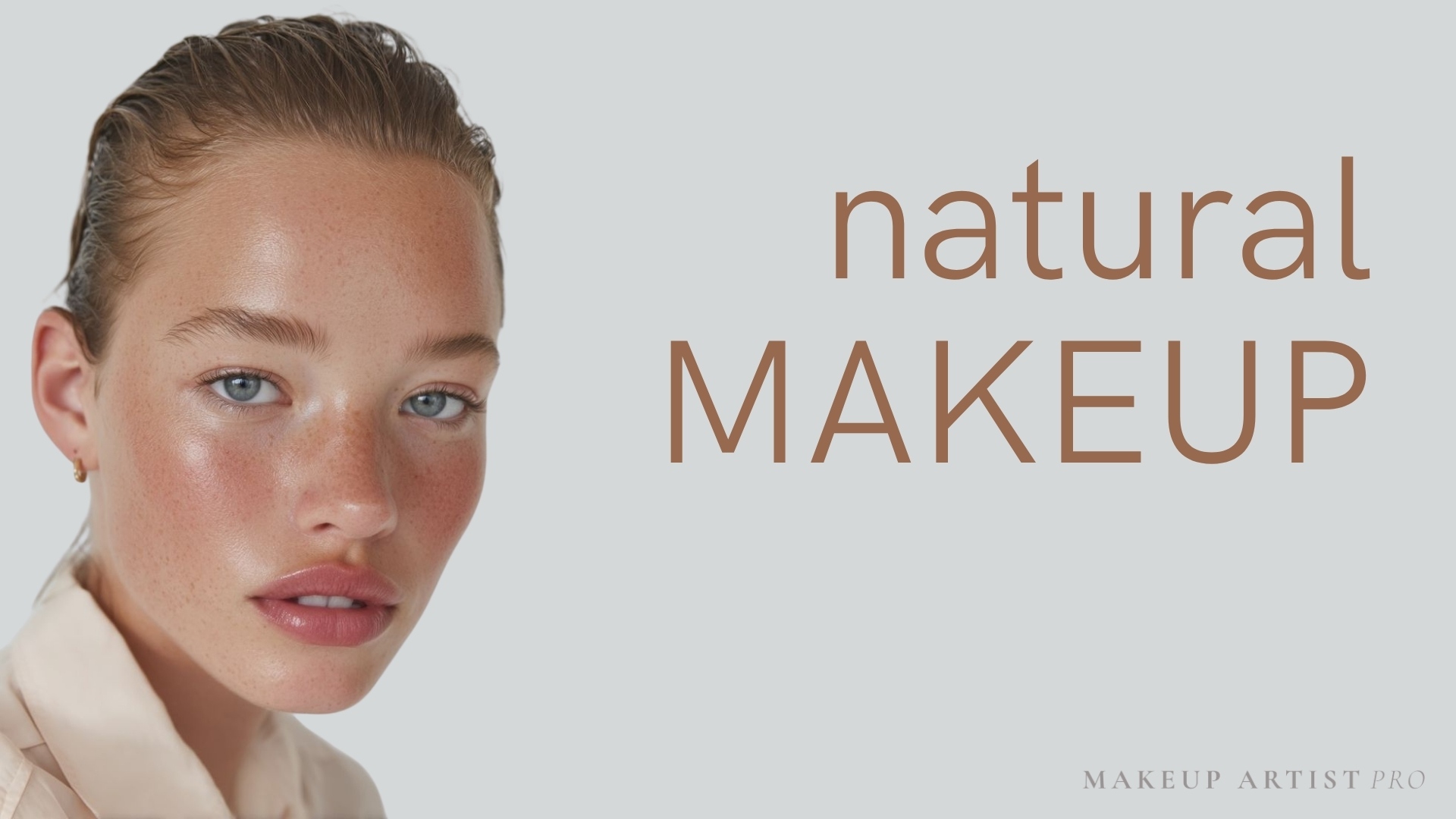
The natural makeup look is the hardest "easy" look in beauty. It is meant to look like you are not wearing makeup at all, and yet every choice, every brush stroke, every shade is doing real work. Get it right and people compliment your skin. Get it wrong and you read either bare and tired or surprisingly heavy. The difference is technique, not money.
This guide is the playbook I have built over years of refining this exact look for every setting it has to survive: wedding mornings, on-camera shoots, brunch, first dates, school drop-offs. Below is the step-by-step routine, the products that consistently deliver, and the small finishing details that separate a polished natural makeup look from a bare face in soft lighting.
What Actually Makes Makeup Look "Natural"
A natural makeup look is not defined by how little product you use. It is defined by how invisible the evidence of the product is. You can wear seven items and still look bare. You can wear three and still look painted. Three principles separate one from the other.
The biggest reason home attempts at the natural makeup look read as "obviously makeup" is the color rule. If you flush pink in the cold, a warm terracotta blush will look pasted on no matter how lightly you apply it. If your natural lip tone is mauve, a bright coral lip will fight your face. Watch yourself blush in the mirror after a quick squat or a hot shower. That is the exact tone your blush should mimic.
The fastest way to test if your natural makeup look is working is the arm's-length mirror check. Step back three feet, glance at your reflection, and look away within one second. If nothing "jumped out" in that quick glance (no harsh blush edge, no obvious eyeliner, no contour stripe), you have nailed it.
How to Do a Natural Makeup Look in 8 Steps
This is the routine I use as my default. It works for almost every skin type and any face. Total time once you know it: 8 to 10 minutes.
Step 1: Skin prep is the foundation of natural makeup. A natural makeup look lives or dies on what is underneath. Cleanse, hydrate with a light serum or moisturizer, and let it absorb for at least three minutes before any makeup goes on. Skipping this step is the single most common reason "natural makeup" reads cakey. The product has nothing to grip and slides into pores and fine lines.
Step 2: Sheer base, not full-coverage foundation. The goal is to soften redness and uneven tone while allowing freckles and natural skin texture to remain visible. For normal-to-dry skin, the Laura Mercier Tinted Moisturizer Natural Dewy SPF 30 (mini available) gives sheer-to-light coverage with a flexible dewy finish. If your skin is sensitive, redness-prone, or needs slightly more evening out, Tower 28 SunnyDays Skin Tint SPF 30 offers light-to-medium buildable coverage with a natural second-skin finish. Apply either in one thin layer, then spot-conceal only where needed. Treat the built-in SPF as a bonus rather than a replacement for your usual sunscreen.
Step 3: Spot-conceal, do not blanket. Use concealer like a corrector: one dot on the inner corner of the eye, one on a blemish, one on a stubborn spot of redness. Tap in with a clean finger. The warmth of your fingertip melts the product into skin instead of laying it on top. Resist the temptation to cover your whole under-eye area. Leaving a hint of natural shadow keeps the eye area looking three-dimensional instead of flat and "done."
Step 4: Cream over powder, always. The single biggest tell that someone is wearing a lot of makeup is powder. For a natural makeup look, every product on the cheek area should be cream: cream blush, cream bronzer, cream highlight. Cream blends into the skin's existing oils and reads as flush. Powder sits on top and reads as makeup. The exception is setting your T-zone if you are oily, a light dusting of translucent powder only where you shine.
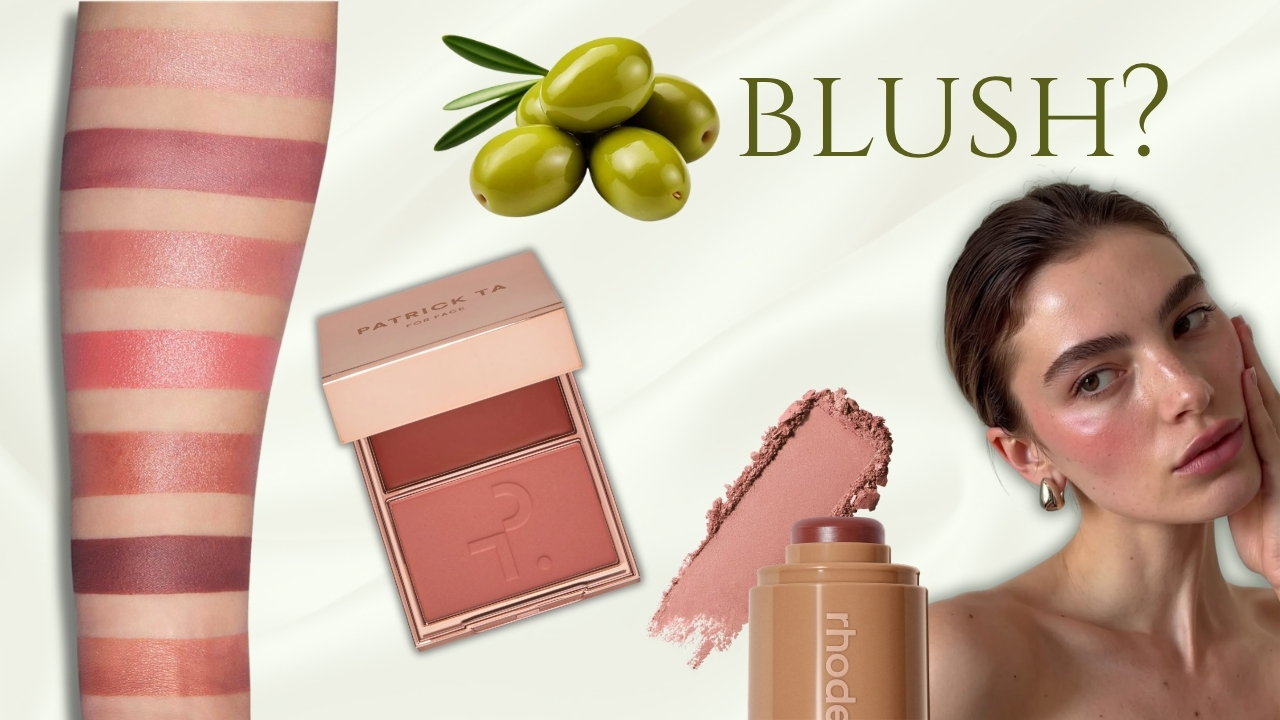
Step 5: Place blush where your face naturally flushes. Not on the apples in a perfect circle. Smile, find the highest point of the apple, and sweep the blush diagonally up toward the temple in a sheer C-shape. Then, and this is the part most people skip, take whatever is left on your finger and tap a tiny bit onto the bridge of your nose, the very tip of your chin, and (sparingly) on your eyelids. This is the connected flush technique, and it makes the blush look biological instead of placed.
Watch a five-minute natural makeup look come together in real time:
Step 6: Brows are the make-or-break. For a natural makeup look, your brows should look like brows, not like they have been drawn on. Use a brow gel in your natural shade and brush hairs upward and slightly outward. If you have gaps, fill with a brow pen using hair-like flicks, never a pencil that lays down a solid line. The Glossier Boy Brow is the natural-brow industry standard for a reason. It conditions and sets without "wig brow" stiffness. For a clear hold over your own color, Anastasia Brow Freeze (Mini available) locks brows up without changing tone.
Step 7: One eye product, max. Skip the eyeshadow palette entirely. A natural makeup look needs nothing on the lid beyond a smudged neutral cream shadow or, even simpler, a sweep of cream bronzer through the crease with your finger. Then one coat of mascara on top lashes only. Two coats and you are out of "natural" territory.
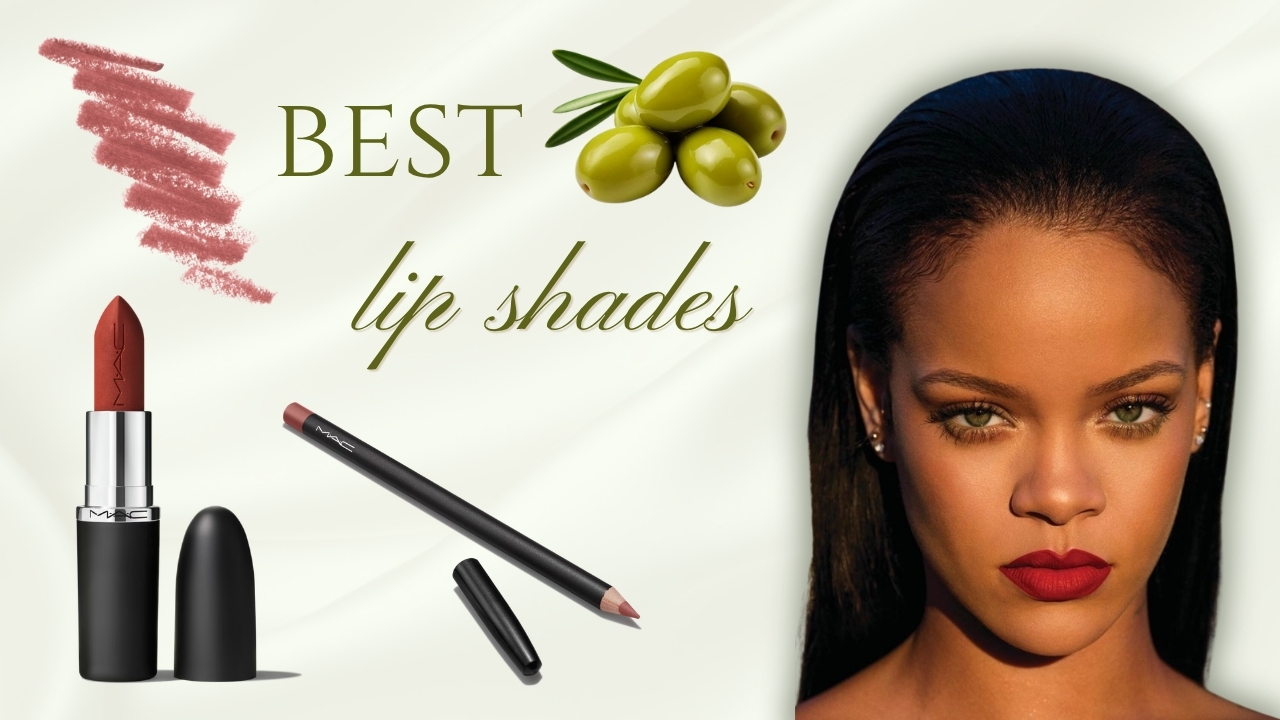
Step 8: Lips that look bitten, not painted. The lip in a natural makeup look should look like you just drank something cold or chewed your lip in thought: flushed, slightly stained, glossy in the center. A tinted lip oil or lip balm in a shade one to two tones deeper than your natural lip is the move. The Charlotte Tilbury Unreal Lips Healthy Glow Nectar is my desert-island pick, a glassy, deeply conditioning finish that never turns tacky as it wears down. The packaging is its one real weakness and the reviews say so, but the formula is good enough that decanting it into a tube you like better is a fair trade. For under $25, the Summer Fridays Lip Butter Balm gives the exact same finish.
Every product in a natural look should be doing the job that your face does on its own best days: a flush from the cold, a glow from a good night's sleep, brows freshly brushed up after a shower. You are not building a face. You are amplifying a moment.
The Natural Makeup Products That Actually Work
After testing hundreds of products under tutorial lights, on photo shoots, and through long humid days, this is the short list. Every product here meets three criteria: a real natural finish (no powdery cast), 4.0+ stars on Sephora or Ulta, and a forgiving formula that works across skin types.
Holy-Grail Natural Makeup Products
Every product I reach for when the brief is "make it look like I slept eight hours and drank water."
Sheer-to-light coverage with a fresh dewy finish that keeps real skin texture visible. The hydrating formula is especially flattering on normal-to-dry skin. Mini available
A mineral tinted sunscreen that doubles as a sheer base: non-nano zinc, no white cast, EWG-verified. Made for sensitive skin.
A nude mauve liquid blush that disappears into skin and lasts ten hours. One drop is enough for both cheeks. 4.5 stars on Sephora. Mini available
Whipped, balm-like, melts into skin instead of sitting on top. Perfect for adding warmth without a contour line.
Thickens, conditions, and holds brows in place without crunch. The natural-brow benchmark for a decade.
Lengthens without clumping or volumizing. Gives the "I have nice lashes" effect, not the "I am wearing mascara" effect. Mini available
Ultra shiny, ultra conditioning, and genuinely non-sticky, which almost no high-shine lip oil manages. The applicator is the weak point and the reviews reflect that, but the formula is worth decanting into a tube you prefer.
A skincare-infused dewy setting spray that locks makeup without dulling the glow. Hyaluronic acid + niacinamide. Mini available
The 5 Mistakes That Make Natural Makeup Look "Done"
If your natural makeup look has ever read as obviously made-up (heavy, painted, or aging), one of these is almost certainly the culprit.
"You should set your whole face with powder to make natural makeup last."
Tap to revealAll-over powder is the fastest way to kill a natural finish. It flattens skin texture, sits in fine lines, and emphasizes any dry patches. Powder only where you shine: T-zone, chin, sometimes around the nose. Leave the cheekbones, jaw, and forehead edges untouched so light still bounces off skin.
"Concealer should be at least one shade lighter than your foundation."
Tap to revealBright under-eye concealer is the most "obvious makeup" move on the face. For a natural look, your concealer should match your foundation exactly. If you need to brighten, do it with a peach color corrector underneath, not a lighter concealer on top.
"Glittery, shimmery highlight is fine for a natural look."
Tap to revealVisible glitter or chunky shimmer reads as makeup instantly. For a true natural finish, swap powder highlighter for a cream or liquid balm-style luminizer, pressed into the high points of cheekbones, nose bridge, and cupid's bow with a finger. The glow should look like skin, not light reflecting off particles.
"Brown mascara always looks more natural than black."
Tap to revealFor very fair skin with light hair, brown mascara is more natural. But for medium to deep skin tones, or anyone with naturally dark lashes, brown can read washed out and "missing." The real rule: match the mascara to your lash root, not your hair color. Most natural lashes are darker than their hair.
The fifth and biggest mistake is doing too many things at low intensity. A sheer foundation, plus light contour, plus subtle blush, plus a touch of bronzer, plus highlight, plus a nude lip equals a "natural" look that is actually six products of evidence. Pick three placement-driven products (base, blush, brows) and call it done. The restraint is the look.
Natural Makeup by Skin Type
Your skin type changes which products will hold up and which will betray you within 30 minutes.
Cream products will slide. Use a sheer matte-finish skin tint, set only the T-zone with a fine translucent powder, and choose a long-wear liquid blush instead of a cream stick. Skip cream bronzer in summer. Try a soft powder bronzer dusted lightly along the cheekbone.
Powder is your enemy. Cream and balm formulas only. Apply a hydrating serum under your tinted moisturizer, mix a drop of facial oil into your skin tint, and use a dewy setting spray as the final step. The goal is "fresh from a facial," not "matte and flat."
Treat zones differently. Mattify the T-zone (lightweight gel moisturizer + zone-specific powder), but keep cheeks dewy. Use cream blush on the outer cheek where you tend to be drier and switch to a liquid blush if you find cream products fading at midday.
Avoid heavy coverage and powder, both settle into fine lines and add years. Stay with hydrating skin tints, cream blush pressed up high on the cheekbone (lifts the face), and a clear or tinted brow gel to soften any sparseness. A drop of facial oil mixed into foundation revives dewiness instantly.
For melanin-rich skin, the same principles apply, but choose your bronzer and blush with extra intention. Cool-toned blushes (berry, raspberry, soft plum) read more naturally on deep skin than universal "nude" tones, which were often formulated for lighter complexions. Cream bronzers in warm coffee or cocoa pull off the natural sun-warmed look better than orange-toned drugstore powder bronzers. If you are still figuring out your shade family, our guide on how to find your skin undertone is the first step.
Watch how creators adapt the natural look across skin types:
Natural vs No-Makeup vs Soft Glam: The Distinction Matters
People use these three terms interchangeably and they are not the same thing. Knowing the difference lets you actually ask for what you want, whether you are talking to a makeup artist for your wedding or searching for a tutorial on TikTok.
"No-Makeup Makeup"
The lightest of the three. Skin tint or BB cream only, no concealer except on the worst spots, brow gel, mascara on top lashes, balm. Looks like you washed your face and went. 3-5 products max.
"Natural Makeup Look"
What this article is about. Sheer base, spot concealer, cream blush, cream bronzer, brow gel, one coat of mascara, tinted lip. 5-7 products that *together* create a polished face, but no individual product is loud. The face is finished, not painted.
"Soft Glam"
A full face with all the elements toned down. Medium-coverage foundation, neutral eyeshadow with a defined crease, soft contour, blush, highlight, mascara, a defined lip. Still flattering and wearable, but visibly "makeup." 9-12 products.
If you are asking a makeup artist for a "natural look" on your wedding day and you actually want soft glam, you will be disappointed. The reverse is also true. Many brides ask for "natural" when they want their full face to show in photos. Be specific about which of these three you mean. Our wedding makeup prep guide explains how to choose, trial, and communicate the exact level of bridal makeup you want.
Natural Is Not the Same as Neutral
The three terms above are all about how much. Neutral is about which colours, which is a completely different axis. People swap the two words constantly and end up with a face they did not ask for.
Natural describes a finish. It is about how visible the makeup is. Sheer products, preserved texture, nothing on the face doing obvious work on its own.
Neutral describes a palette. Browns, taupes, beiges, soft mauves, dusty pinks, warm peaches, terracotta. No reds, berries, purples, or brights.
The consequence is the part that surprises people: a neutral look can be very heavy. Medium-coverage foundation, a fully blended crease, defined brows, visible blush, even a lash strip, all in earth tones, is completely neutral and not remotely natural. It also runs the other way. A sheer wash of raspberry on the cheeks and lips is still a natural look, because nothing reads as product.
So natural is about how much you can see. Neutral is about what colour it is. You can have either, both, or neither.
"Natural" tells them how heavy to go. "Neutral" tells them which palette to pull from. Saying one when you mean the other is how trials go sideways.
There is more to it than fits here, including how each look is actually built and the bridal mix-up behind most disappointing trials. Our full guide to natural vs neutral makeup takes it apart properly.
Pro-Level Finishing Tricks Most People Skip
These small details are what separate a natural makeup look that holds up under scrutiny from one that falls apart when you look at it twice.
1. The ear test. When you finish your face, look at the side of your face in the mirror. Does your foundation line stop at your jaw? Does your bronzer disappear before your hairline? Any visible color change between face and neck or face and ear is the giveaway that you are wearing makeup. Blend an extra 30 seconds along those edges every time.
2. Wake up your eyes without eyeliner. Skip dark waterline liner entirely. Instead, press a soft brown eyeshadow into the upper lash line with a small flat brush. It sits between your lashes and creates the illusion of denser, darker lashes without an eyeliner edge. The result reads as a thicker fringe of lashes, not as makeup.
3. The lip-corner cheat. A tiny dot of cream blush on the corners of your lips (then patted over with balm) gives the most subtle, lit-up "post-kiss" tone. This is a backstage trick at editorial shoots and almost nobody does it at home. It looks like nothing and changes everything.
4. Misted hydration before you start, not after. Most people use facial mist as a setting step. Better technique: mist your skin tint while you are applying it, then press in with a damp sponge. The water in the mist melts the product into skin instead of laying it on top. This is the closest you can get to a filter without one.
The Anti-Aging Reason Natural Makeup Just Works Better
There is a reason actresses in their 40s and 50s lean into natural makeup looks while younger influencers still chase full glam, and it is not coincidence. Less product on aging skin almost always looks younger than more product. Heavy foundation oxidizes, settles into fine lines, and emphasizes texture. Powder accentuates dryness and crepe. Sharp blush placement drags the face down.
Conversely, a hydrated, dewy, sheer-based natural makeup look reflects light evenly, blurs fine lines visually, and keeps the eye moving across the face instead of catching on flat painted areas. Cream blush placed high on the cheekbone is also the single most face-lifting product trick that exists. If you are 35 or older and your makeup has stopped looking flattering, the answer is almost never "more product." It is usually "different products, placed differently." Our guide on makeup mistakes that age you covers this in detail.
Test Your Natural Makeup IQ
5 questions. Do you actually know what makes makeup look natural?
Frequently Asked Questions About the Natural Makeup Look
The no-makeup makeup look uses the fewest possible products (3-5) and aims for a near-bare-face finish: typically a skin tint, brow gel, mascara, and balm. A natural makeup look includes a few more steps (5-7 products) for a more polished, photo-ready finish, adding cream blush, light bronzer, and a tinted lip. Both should read as natural. The natural makeup look just looks slightly more "done."
Three changes deliver the biggest payoff with no new products. First, apply foundation with a damp sponge instead of a brush. It sheers everything out. Second, skip your usual powder setting step and only powder the T-zone if you shine. Third, swap any pencil-defined brows for just a brush-up with gel. These three swaps move most home routines significantly closer to a natural finish.
The essentials are: a tinted moisturizer or skin tint, a concealer for spot use only, cream or liquid blush, a brow gel, a single coat of mascara, and a tinted lip oil or balm. That is six items. Optional add-ons are cream bronzer for warmth and a dewy setting spray to lock everything in. Powder, eyeshadow palettes, and contour are not needed for a natural look.
Once you know the routine, 8 to 10 minutes from start to finish, including skincare. The look is built on cream and liquid products applied with fingers or a damp sponge, which is much faster than the eyeshadow-and-brush technique of a full glam look. Most of the time savings come from skipping eyeshadow blending and the contour-and-highlight steps entirely.
Yes, with one adjustment: build slightly more coverage and durability into each step. Use a longwear tinted serum foundation instead of a basic skin tint, add a second very thin layer of cream blush after setting spray (this locks the color in), and choose a tinted balm with staying power instead of a one-and-done lip oil. The look stays natural, just photographs better and lasts longer.
No. They are unrelated concepts that get confused often. "Natural makeup" describes a *look* (how the finished face appears). "Clean beauty" is a marketing term describing *ingredients* (allegedly free of certain controversial chemicals). You can do a natural makeup look using conventional makeup, and you can do a full glam look using clean beauty products. Our deep-dive on [what clean beauty actually means](/article/what-is-clean-beauty) unpacks the regulatory gap behind the term.
The Bottom Line on the Natural Makeup Look
The natural makeup look is a craft, not a shortcut. It looks effortless because every choice is doing work somewhere: the placement of the blush mimicking a flush, the brow gel disappearing into your hairs, the mascara dark enough to define without crossing into "makeup." When the finished look is invisible, the technique is everywhere.
Build your routine on cream products, restraint, and placement. Skip powder unless you absolutely need it. Treat blush like a flush, mascara like your own lashes, and skin tint like the most luxurious skincare in your bathroom. Pick three of the products in this guide and learn them well. Owning one routine that works is worth ten that almost do.
Wear less, blend more, glow harder.