Most undertone guides stop at foundation — they teach you the vein test, hand you a shade code, and send you on your way. But undertone does not just affect your base. It affects every single color product in your makeup bag: the blush that looks muddy instead of glowing, the nude lipstick that turns orange on your lips, the bronzer that looks dirty instead of sun-kissed, the eyeshadow palette that washes you out, and the highlighter that sits on top of your skin like a streak of chalk. Understanding your undertone is like getting the master key to color theory for your face — and this guide is the full masterclass.
What Warm, Cool, and Neutral Undertones Actually Mean
If you have not identified your undertone yet, start with our complete undertone identification guide — it covers five at-home tests and foundation matching in detail. This article picks up where that one leaves off: now that you know your undertone, here is how to use it across your entire routine.
A quick refresher. Skin tone (depth) is how light or dark your skin appears — it changes with sun exposure and seasons. Undertone is the color beneath the surface that never changes — it is genetically determined by the ratio of two melanin types in your skin: pheomelanin (produces warm yellow-red tints) and eumelanin (produces cool blue-brown tints). The balance between them creates your permanent undertone.
There is also a fourth category that most guides leave out: olive undertone. Olive skin has a greenish or gray-green cast that desaturates colors placed on top of it. You can be a warm olive, a cool olive, or a neutral olive — it layers on top of the warm/cool/neutral spectrum. If that sounds like you, our olive skin foundation guide goes deep on this.
How Undertone Affects Every Makeup Product You Own
This is the section that changes everything. Most people learn their undertone for foundation and stop there — but undertone dictates how every color product interacts with your skin. Here is the complete breakdown, product by product.
Foundation and Concealer
Foundation is where most people start, and where the most visible mistakes happen. A warm foundation on cool skin creates an orange cast. A cool foundation on warm skin looks chalky and ashy. A neutral foundation on olive skin looks unnaturally bright.
— Hung Vanngo, makeup artist to Selena Gomez and Gigi Hadid. The right undertone match is what makes foundation look like a second skin instead of a mask.
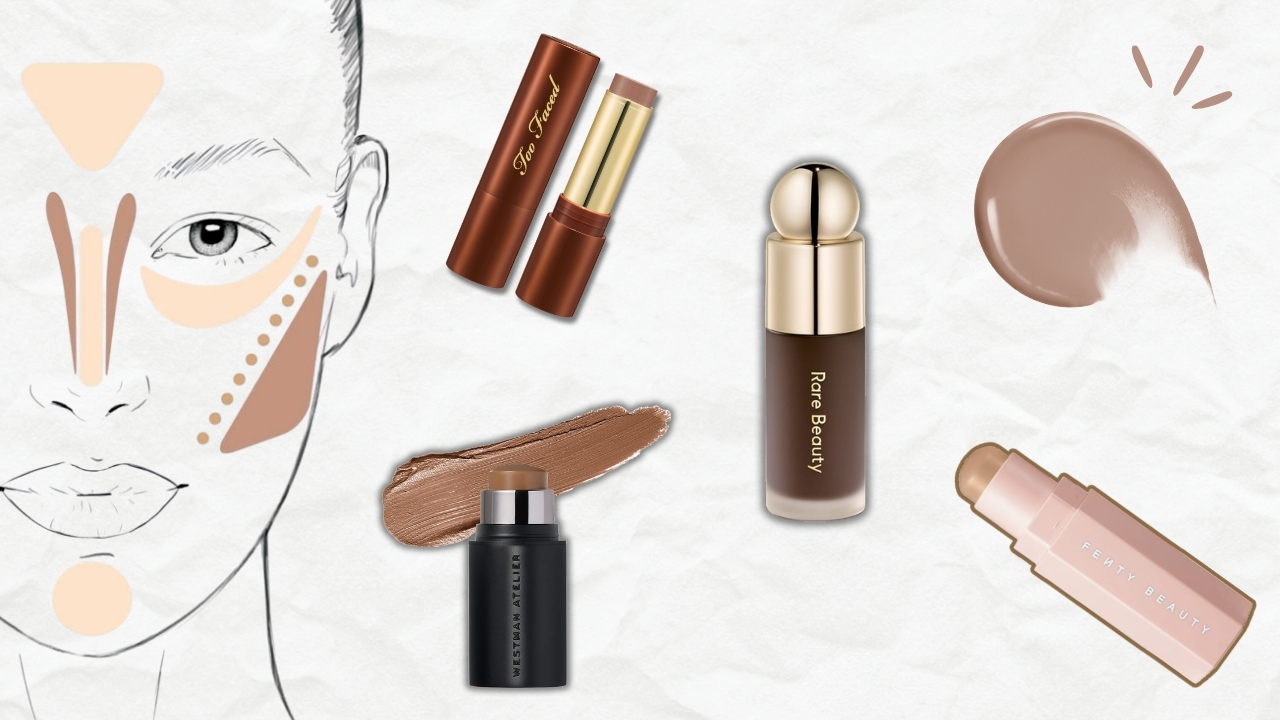
Concealer follows the same rules as foundation — the undertone must match, even when you go lighter for brightening. A yellow-toned concealer on cool skin under the eyes will look sallow. A pink-toned concealer on warm skin will look ashy. Go one to two shades lighter for under-eye brightening, but keep the undertone code identical.
Color correcting is pure undertone science. It uses complementary colors (opposite on the color wheel) to cancel out discoloration before concealer goes on top:
- Peach corrector neutralizes blue-purple dark circles on light to medium skin
- Orange corrector neutralizes dark circles on medium to deep skin
- Green corrector neutralizes redness from acne, rosacea, or irritation
- Lavender corrector neutralizes sallowness (yellow cast) on cool skin
The NYX Color Correcting Concealer Palette gives you all four corrector shades in one compact — it is the best way to learn which corrector your undertone actually needs.
See how undertone changes concealer selection:
Blush
Blush is where undertone mismatches become painfully obvious — the wrong blush undertone can make your skin look muddy, sallow, or bruised instead of flushed and healthy.
Warm undertones come alive in coral, peach, apricot, and warm pink shades. These have subtle yellow or gold pigments that harmonize with the warmth already in your skin. The NARS Blush in Orgasm is the iconic warm-leaning peachy pink with golden shimmer — there is a reason it has been a bestseller for over two decades.
Cool undertones glow in rose, berry, mauve, and cool pink shades. These contain blue or red pigments that complement the pink-blue base in cool skin. The Clinique Cheek Pop in Pansy Pop is a beautiful cool violet-plum that looks like a natural flush on cool skin.
Neutral undertones have the most flexibility — dusty rose and soft peach sit right at the warm-cool crossover point. The Glossier Cloud Paint in Dusk is a brownish-nude blush that works perfectly on neutral skin without pulling too warm or too cool.
Olive undertones need desaturated, muted blushes — dusty rose, soft terracotta, or brownish pink. Highly saturated blushes look unnaturally bright against the green cast in olive skin.
Watch how dramatically different warm vs cool blush looks on the same face:
Bronzer and Contour
Here is a distinction that trips up even experienced makeup users: bronzer and contour are not the same thing, and they have different undertone rules.
Bronzer adds warmth and a sun-kissed glow. It should be one to two shades darker than your skin in a shade that mimics how you look after a day in the sun. Warm undertones can use golden and amber bronzers freely — the Physicians Formula Butter Bronzer is a gorgeous golden-toned bronzer that melts into warm skin. Cool undertones need to be more careful: skip heavily orange bronzers and reach for rose-bronze or soft peach tones instead. The Fenty Beauty Sun Stalk'r in Inda Sun has the right neutral-cool quality that warms cool skin without turning it orange.
Contour mimics natural shadow — and natural shadows are always cooler and more muted than the surrounding skin. That means your contour shade should lean cooler than your bronzer regardless of your undertone. Warm undertones need a cool-leaning brown (not a golden brown). Cool undertones need a taupe or grayish brown. Using bronzer as contour — which is an extremely common mistake — "just looks like an orange stripe," as Sam Chapman of Pixiwoo puts it. Bronzer goes where the sun would hit. Contour goes where shadows would fall. Our complete contouring tutorial covers placement technique for every face shape.
Lipstick
Lipstick is where undertone creates the most dramatic visible difference — and where the most frustration lives. The same "nude" lipstick will look completely different on warm, cool, and neutral skin.
Warm undertones: Coral, peach, warm brown, caramel nudes, brick red, and orange-based reds. The MAC Velvet Teddy is the definitive warm nude — a deep-tone beige with warm matte finish that harmonizes beautifully with golden skin.
Cool undertones: Blue-based reds, berry, plum, cool mauve, rosy nudes. Skip anything labeled "peach" or "coral" — those will pull orange. The MAC Mehr is a dirty blue-pink mauve that was practically designed for cool-toned lips.
Neutral undertones: You have the widest range. True nudes in balanced beige-pink, classic reds that are neither orange nor blue, dusty rose. The YSL Rouge Pur Couture The Slim offers beautiful neutral-leaning shades.
How to tell if a red lipstick is warm or cool: Hold it next to an orange and a berry shade. If it looks closer to the orange, it is a warm red (orange-based). If it looks closer to the berry, it is a cool red (blue-based). If it sits right in the middle, it is a true red that works on most undertones.
Watch why nudes turn orange and how to fix it:
Eyeshadow
Eyeshadow is the most forgiving product category when it comes to undertone — you can wear any color on your eyes without it looking "wrong" the way a mismatched foundation does. But understanding which shades harmonize with your undertone versus which ones create deliberate contrast will elevate your eye looks significantly.
Warm undertones look most harmonious in rich browns, coppers, burnt orange, terracotta, warm taupes, olive greens, and gold shimmer. The Anastasia Beverly Hills Soft Glam Palette spans warm mattes and cool shimmers in one palette — it is a masterclass in undertone-aware eyeshadow.
Cool undertones naturally harmonize with icy blues, silver shimmer, cool-toned purples, lavender, plum, blue-based pinks, and cool taupes. Mauves and dusty roses are particularly stunning on cool skin because they echo the natural pink in your undertone.
Neutral undertones sit in the sweet spot — true taupe and balanced mauve are your signature shades. You can pull from both warm and cool palettes without anything looking jarring.
The intentional contrast trick: Wearing eyeshadow that contrasts your undertone makes your eyes pop more. A warm copper shadow on cool blue eyes creates striking complementary contrast. A cool plum on warm brown eyes has the same effect. Matching your undertone creates harmony; opposing it creates drama. Both are valid — the difference is whether you are choosing intentionally.
Highlighter
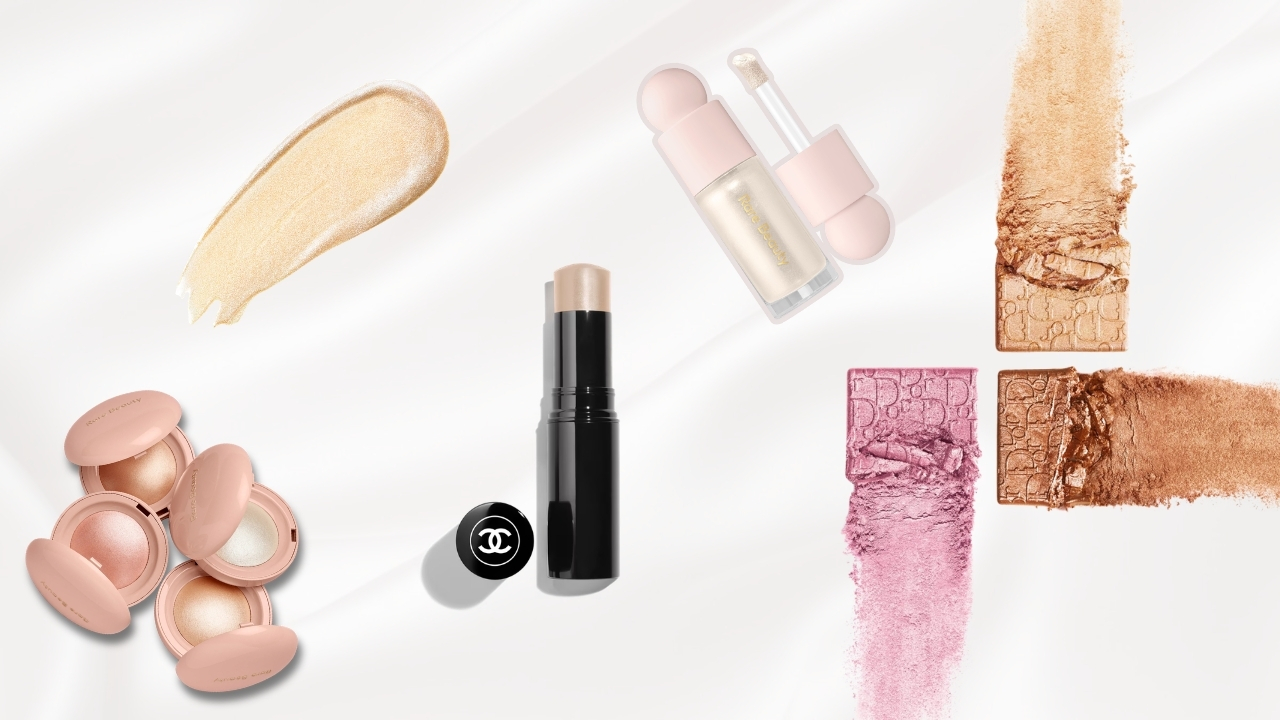
The wrong highlighter is immediately obvious — gold highlight on cool skin looks like a streak of brass, and icy silver highlight on warm skin looks ashy and metallic.
Warm undertones: Champagne and gold. For deeper warm skin, copper or gold-bronze tones create a gorgeous lit-from-within effect.
Cool undertones: Silver, pearl, rose gold, or icy champagne. Avoid warm gold — it clashes with the pink-blue base in your skin. Our highlighting guide covers placement and technique for every face shape.
Neutral undertones: Champagne is your universal shade — it bridges warm and cool beautifully. The Dior Backstage Glow Face Palette in Universal includes four shades that work across all undertone directions.
The Undertone Cheat Sheet: Every Product at a Glance
Here is the reference table that no other guide gives you — every product category mapped to every undertone in one place. Bookmark this.
Foundation: Look for codes W, Warm, Golden, Yellow. At MAC, choose NC shades (not NW — MAC reverses their system).
Concealer: Yellow or peach-based. Use peach/orange corrector under eyes.
Blush: Coral, peach, apricot, warm pink, terracotta.
Bronzer: Golden, amber, warm brown. Avoid anything that leans gray.
Contour: Warm-leaning brown (still cooler than bronzer). Avoid orange contour.
Lipstick: Coral, peach nude, warm brown, caramel, brick red, orange-red.
Eyeshadow: Copper, gold, burnt orange, warm taupe, olive green, rich brown.
Highlighter: Gold, champagne, copper.
Foundation: Look for codes C, Cool, Pink, Rose. At MAC, choose NW shades (not NC — MAC reverses their system).
Concealer: Pink or neutral-based. Use lavender corrector for sallowness.
Blush: Berry, mauve, cool pink, plum, rose.
Bronzer: Rose-bronze, soft peach, neutral brown. Avoid heavily golden bronzers.
Contour: Taupe, grayish brown. The cooler the better.
Lipstick: Blue-red, berry, plum, cool mauve, rosy nude, cool pink.
Eyeshadow: Silver, cool purple, lavender, plum, icy blue, cool taupe, mauve.
Highlighter: Silver, pearl, rose gold, icy champagne.
Foundation: Look for codes N, Neutral, Beige. You have the widest compatibility.
Concealer: Balanced beige. Peach or pink correctors both work for dark circles.
Blush: Dusty rose, soft peach, mauve-pink. Most "universally flattering" shades are designed for you.
Bronzer: Any direction works. Lean slightly warm for a sun-kissed look or slightly cool for a sculpted look.
Contour: Neutral brown or cool taupe — both look natural.
Lipstick: True red, balanced nude, dusty rose, mauve, soft berry.
Eyeshadow: True taupe, balanced mauve, soft brown — plus freedom to pull from warm or cool palettes.
Highlighter: Champagne is your signature. Gold and silver both work.
Your Undertone Season: How Color Analysis Upgrades Your Makeup
Seasonal color analysis takes undertone a step further by adding two more dimensions: depth (how light or deep your natural coloring is) and chroma (how muted or bright your coloring is). Together, these three factors — undertone, depth, and chroma — place you in one of twelve seasonal sub-types, each with its own ideal color palette.
Undertone
Warm = Spring or Autumn. Cool = Summer or Winter. This is the first fork in the road — if you already know your undertone, you already know your half of the color wheel.
Depth
Light = Spring or Summer. Deep = Autumn or Winter. How much contrast exists between your hair, eyes, and skin narrows your season further.
Chroma
Bright = vivid, saturated colors make you glow. Muted = dusty, desaturated colors harmonize. This is the dimension most people miss — and it changes everything.
Why chroma matters as much as undertone: Two warm-toned people can need completely different shade intensities. A Bright Spring comes alive in vivid coral and electric tangerine. A Soft Autumn in those same shades looks overwhelmed and washed out — they need dusty peach and muted terracotta instead. Same undertone, completely different execution.
Fresh, clear warm tones. Coral lipstick, peachy blush, golden eyeshadow, warm pastels. Think bright peach, tangerine, fresh green. You look washed out in muted or dark colors.
Soft, cool, muted tones. Rose blush, mauve lipstick, cool-toned taupe eyeshadow, pastel lavender. Think dusty rose, powder blue, soft plum. High-contrast and bold colors overwhelm you.
Rich, earthy, muted warm tones. Terracotta blush, brick-red lipstick, copper eyeshadow, warm brown everything. Think rust, olive, mustard. Pastel and icy colors look alien on you.
Bold, high-contrast cool tones. Berry blush, blue-red lipstick, jewel-toned eyeshadow, icy silver highlight. Think magenta, royal blue, emerald. Muted and earthy colors flatten your features.
The gold-standard test for your season is fabric draping: in natural light with no makeup, hold bright orange fabric and then magenta fabric near your face. The color that makes your skin look clearer, brighter, and more radiant indicates your undertone direction. Experts emphasize this must be done with physical fabric in real life — apps and AI tools do not give accurate results.
See seasonal color analysis in action:
Common Undertone Mistakes That Sabotage Your Makeup
"Surface redness on your cheeks means you have a cool undertone."
Tap to revealSurface redness from rosacea, sun sensitivity, or irritation is NOT your undertone. It is a surface condition that sits on top of your true undertone. Matching foundation to red cheeks creates a mask effect at the jawline. Always match to the neck and jaw where redness is minimal.
"Fair skin is always cool-toned and deep skin is always warm-toned."
Tap to revealUndertone and depth are completely independent. You can be fair with warm, golden undertones (Nicole Kidman) or deep with cool, blue-red undertones (Lupita Nyong'o). Assuming depth equals undertone is one of the biggest reasons people get mismatched in stores.
"Undertone only matters for foundation — eyeshadow and lip color are just personal preference."
Tap to revealUndertone affects ALL color products — blush, bronzer, lipstick, highlighter, and concealer are all highly undertone-dependent. Eyeshadow is the most forgiving category where personal preference can override undertone rules. But even with eyeshadow, choosing shades that complement your undertone creates noticeably better harmony.
"Products labeled 'universal' or 'one shade fits all' work on every undertone."
Tap to revealMost "universal" shades lean warm-neutral. They work on the widest range of people but still miss cool and olive undertones. The label "universal" really means "most common" — not "everyone." Always swatch before committing.
More Mistakes to Avoid
Mistake: Relying on a single test to determine your undertone. The vein test is the most popular method, but it is unreliable on its own — especially for darker skin tones where veins are harder to see. Experts recommend using a "cluster of clues" across multiple tests. If you need to identify or confirm your undertone, our five-test undertone guide walks through every reliable method.
Mistake: Using bronzer as contour. Bronzer adds warmth. Contour creates shadow. Natural shadows are always cooler than the surrounding skin — never warm and golden. A warm bronzer in the hollows of your cheeks creates an orange stripe, not a sculpted shadow.
Mistake: Assuming "neutral" means "nothing." Neutral is a legitimate undertone — a balanced mix of warm and cool pigments. Two neutral people can look quite different: one might lean warm-neutral (golden beige) while another leans cool-neutral (pink beige). Neutral is a combination, not an absence.
Mistake: Ignoring oxidation. Foundation can shift color 30 to 60 minutes after application as it reacts with your skin's oils and pH. A shade that looks perfect in store can turn orange, pink, or gray on your face by lunchtime. Always swatch, let it dry for two full minutes, and check in natural light before buying. Our guide on why foundation looks orange and how to prevent oxidation covers this in detail.
When to Break the Undertone Rules
Once you understand the rules, you earn the right to break them intentionally. Here is when going against your undertone actually works:
Eyeshadow is your playground. A warm copper shadow on cool blue eyes creates beautiful complementary contrast that makes the eye color pop. Wearing exclusively "your" undertone on the eyes can actually look flat and one-dimensional. Use undertone-matching for harmony, but strategic contrast for drama.
The monochrome flush. Using a single shade across lips, cheeks, and eyelids — chosen to match your undertone — creates a cohesive, polished look that fashion editors love. This technique works precisely because every product is in the same undertone family, creating perfect harmony across the face.
Deliberate warmth on cool skin (and vice versa). A warm peach blush on cool skin can look fresh and youthful rather than muddy — if you choose a sheer, buildable formula and apply with a light hand. The key difference is intentional contrast at low intensity versus accidental mismatch at full opacity.
Watch how the pros put together full undertone-matched looks:
Test Your Undertone Makeup Knowledge
Test Your Undertone IQ
5 questions. How well do you really know this stuff?
Frequently Asked Questions About Warm vs Cool vs Neutral Undertone
Undertone affects every color product — foundation, concealer, blush, bronzer, lipstick, and highlighter are all highly undertone-dependent. Eyeshadow is the most forgiving category. You can wear any eyeshadow color regardless of undertone, but choosing shades that complement your undertone creates better harmony, while opposing shades create intentional contrast that can be equally beautiful.
Absolutely. Skin depth (fair, medium, deep) and undertone (warm, cool, neutral) are completely independent. You can be fair-skinned with warm, golden undertones — think of people with light skin that has a peachy or yellowish cast. Depth describes how light or dark you are. Undertone describes the color beneath the surface. They are two separate dimensions.
This almost always means you have cool undertones. Most nude lipsticks are formulated with warm, peach, or beige pigments that clash against cool skin's blue-pink base. The warm pigments get amplified by the contrast, making the shade read as orange. Switch to nudes with pink, mauve, or rosy bases — these will look naturally nude on cool skin instead of turning orange.
Bronzer adds warmth and mimics a sun-kissed glow, so it can match your undertone direction (golden for warm skin, rose-bronze for cool). Contour mimics natural shadow, and shadows are always cooler and more muted than the surrounding skin. This means even warm-toned people should use a cool-leaning contour shade — never a warm, golden bronzer in the hollows of the cheeks.
If you already know your undertone, you are halfway there. Warm undertones are either Spring (light, bright) or Autumn (deep, muted). Cool undertones are either Summer (light, muted) or Winter (deep, bright). To narrow it further, consider whether vivid or muted colors look better on you — that determines your chroma, the third dimension that places you in a specific sub-season.
Yes — undertone affects the appearance of every color product placed on your skin. Foundation, concealer, blush, bronzer, contour, lipstick, and highlighter all look dramatically different depending on whether they match or clash with your undertone. The only exception is eyeshadow, where the impact is subtler and personal preference plays a larger role.
The Bottom Line: Your Undertone Is the Color Key to Everything
Understanding your warm, cool, or neutral undertone is not just a foundation trick — it is the single piece of knowledge that makes every makeup decision easier and every purchase more likely to work on the first try. When your blush matches your undertone, it looks like a natural flush instead of a painted-on circle. When your lipstick matches your undertone, it looks like your lips but better instead of a neon sign. When your bronzer matches your undertone, it looks sun-kissed instead of muddy.
Not sure of your undertone yet? Start with our complete undertone identification guide and the five at-home tests. Already know your undertone? Put it to work with our Foundation & Concealer Shade Matcher — enter a shade you already own and instantly find matches across every brand, filtered by undertone.
The shade that harmonizes is the shade that disappears — on every product, not just foundation.